Popular Searches
No results for
Stories, guides and secrets of the city. No spam.
Thank you! You've been added to the list.
All the stories
360 articles
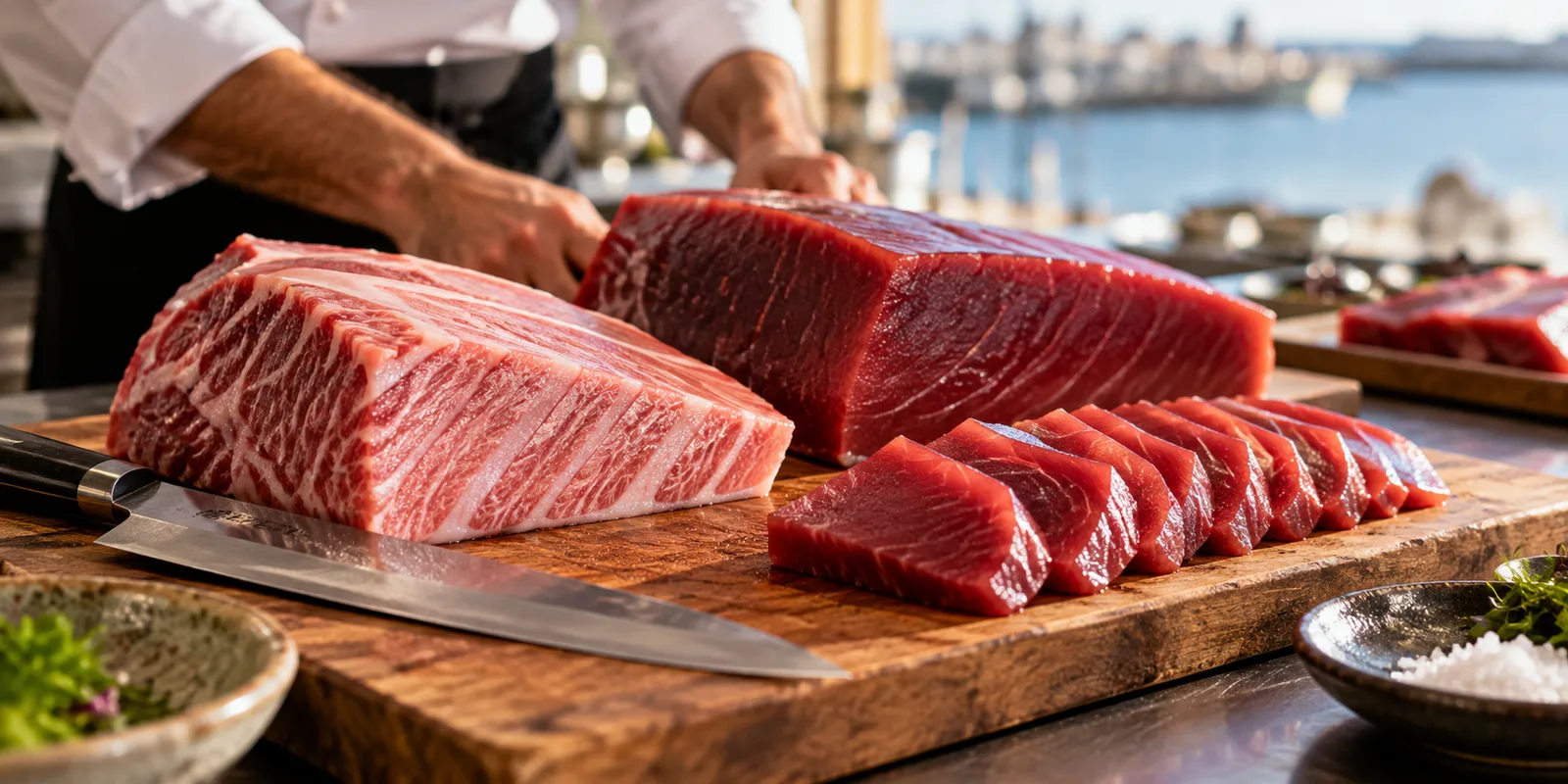
On a Malaga menu, ventresca is the fatty belly and the source of otoro, descargamento is the lean red loin for tartare, and solomillo or tarantelo mean a cut for the grill. Wild almadraba bluefin is caught off Cádiz from April to June and frozen at minus 60 degrees so restaurants can serve it all year.
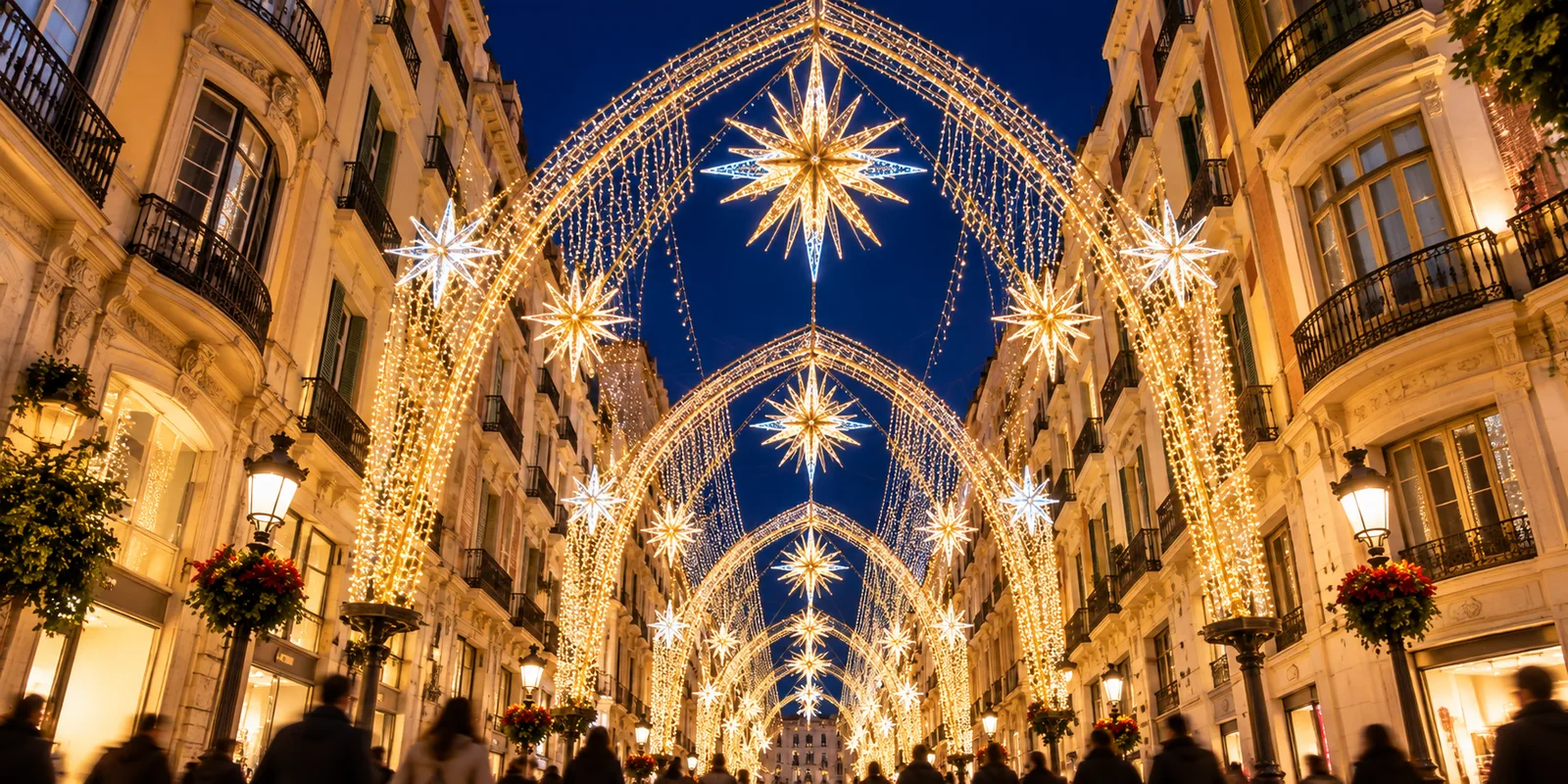
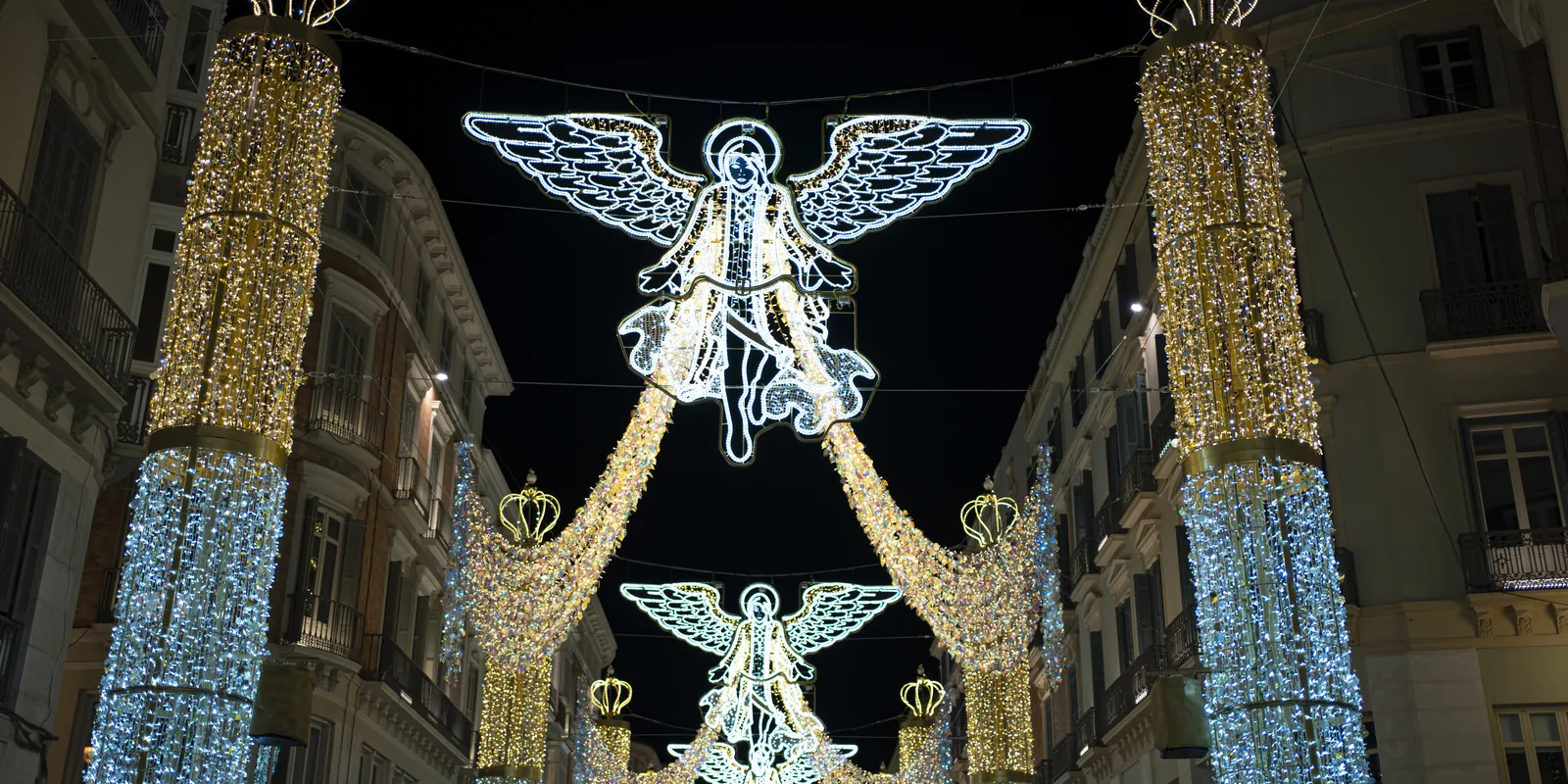
Malaga's Christmas lights go on the last Friday of November at 6:30 pm on Calle Larios, and the light and music show then runs three times every evening, at 6:30, 8:30 and 10 pm, until 4 January. On 24 and 31 December and 5 January the lights stay on without music, and they are free to see. With a pushchair or small children, the 6:30 pm run on a weekday is the easiest.
Malaga's Three Kings parade is on the evening of 5 January: the Kings leave the Alcazaba, greet the city from the City Hall balcony and ride 13 floats along Paseo del Parque, the Alameda and El Perchel to the Cathedral. In 2026 around a thousand performers threw some 20,000 kilos of sweets to the crowds. EMT adds 20,000 seats and keeps most lines running until midnight.
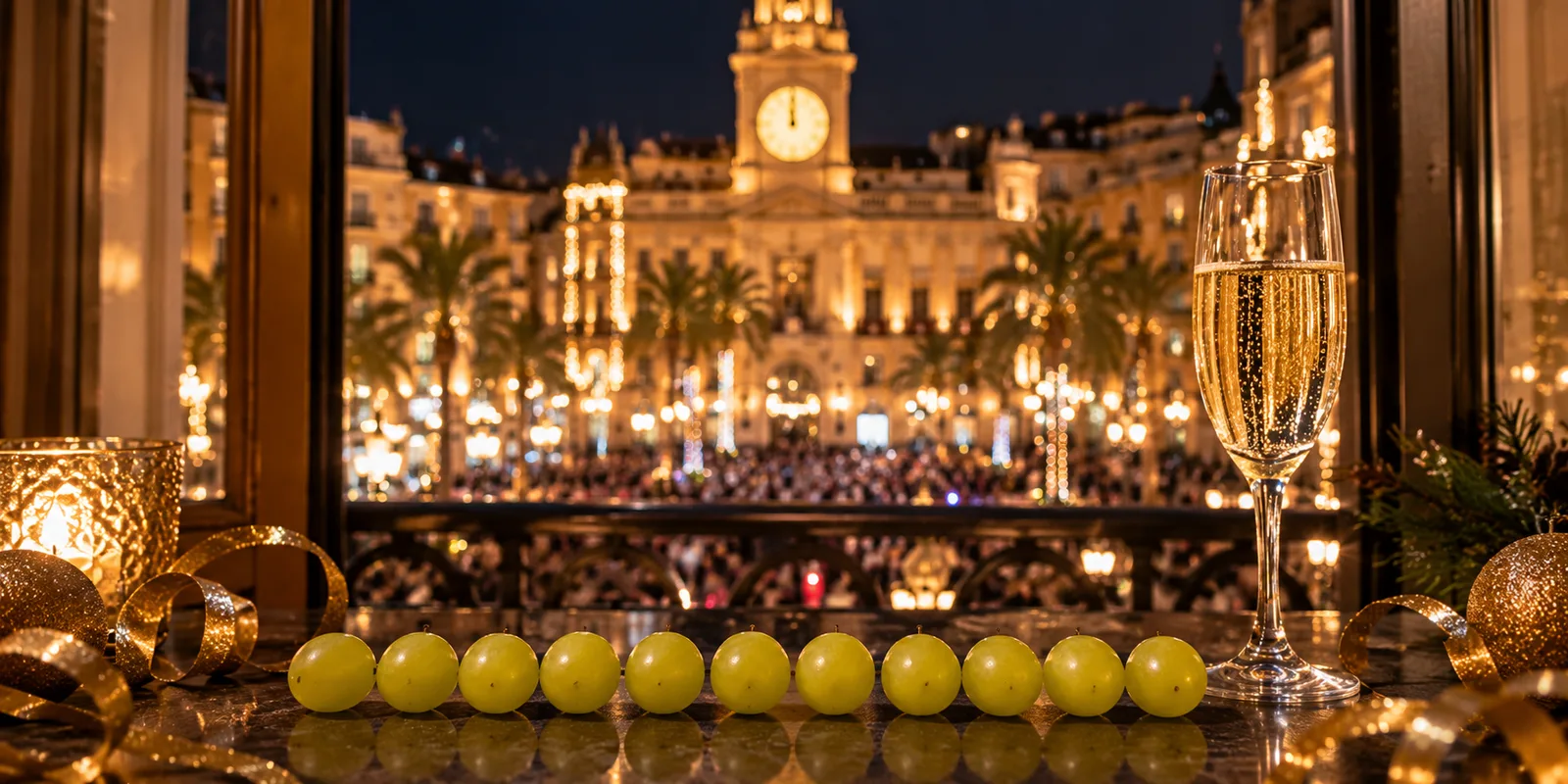
Where to see in the New Year in Malaga? In Plaza de la Constitución, for free: get there before 11:45 pm to pick up one of the 5,000 bags of grapes. On the 31st the big museums and the Cathedral close at 3 pm and the Larios light show runs without music, and to get back, walk if you stay in the old town or take EMT's special night service, at €1.40 a ride.
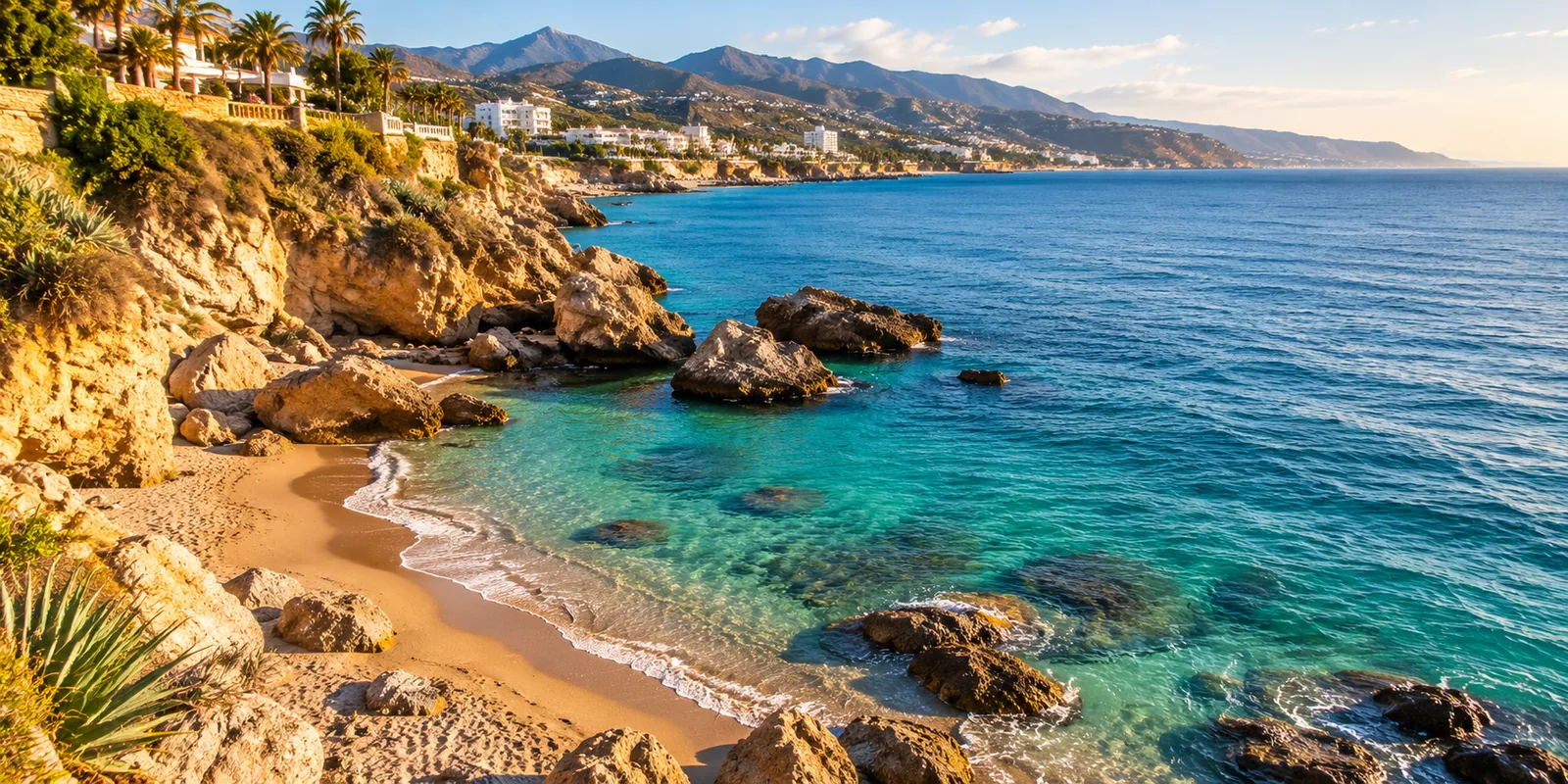
Benalmádena's 9 kilometres of coast split in two. The eastern beaches have sand, a promenade, lifeguards and this year's three Blue Flags; the western ones are small pebble coves under cliffs, including Benalnatura, the naturist cove. No beach is less than 12 minutes' walk from a train station. Lifeguards cover a long season, from 15 May to 15 October.
Booking a Christmas table in Málaga means three separate decisions, one for each date, each with a set menu and a fixed sitting. Children pay 40 to 75 euros, one hotel charges the full price if you cancel after 9 December, and a rooftop by the Cathedral includes 90 minutes of drinks. For Christmas Day lunch in the centre, Vino Mío's 120-euro menu is the one on offer.
Sunset from Gibralfaro is free if you watch it from the viewpoint outside the walls, because the castle shuts first. Christmas Day is the tricky one for couples: museums close, but the Soho theatre puts on a Banderas musical at 19:00 and street concerts go on. A light trail is 17 euros for two. A one-hour harbour catamaran starts at 9 euros a head.
Children in Málaga get their presents from the Three Kings on 6 January, so the best family days fall early in the year: the Royal Herald on the 2nd, the Royal Postman in Plaza de la Constitución until the 4th and the parade on the 5th. Most of it is free, the lights are cheap on half-price days, and under-3s go free to the garden lights and on the harbour catamaran.
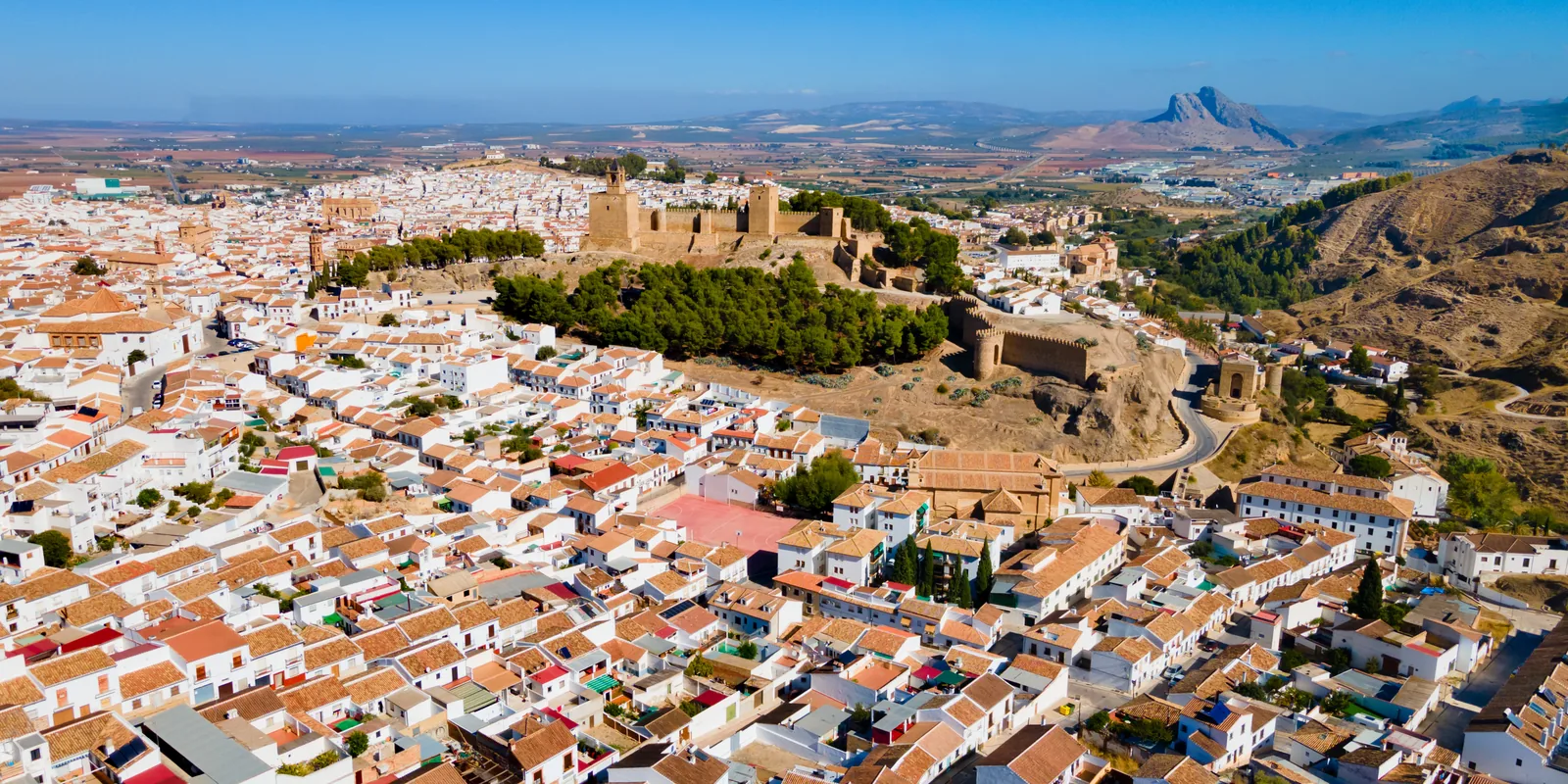
Want a Spanish village Christmas without hiring a car? Nerja's living nativity, with over 100 residents in costume, runs on the Sunday before Christmas and the last bus back leaves at 21:55. Antequera's free town nativity and Christmas House work on any December day, an hour inland. Torrox, about 7 kilometres away, holds its Migas festival on that same Sunday.
Estepona has 17 beaches and not one holds a Blue Flag in 2026, which says more about paperwork than about the sea. La Rada is the long town beach with a promenade, El Cristo the sheltered cove for children, and Costa Natura the naturist one. The airport bus costs just 10.24 euros. From Malaga bus station it is 75 minutes and 11.25 euros.
Fuengirola's seven kilometres of sand are four official beaches, all with a Blue Flag, with the C-1 train behind them. Land at Malaga airport, ride 34 minutes, get off at Los Boliches or Torreblanca del Sol and the sand is six minutes away. Only El Castillo and the dog beach sit far from a station. Assisted bathing runs on all four beaches, booked on 691 102 985.
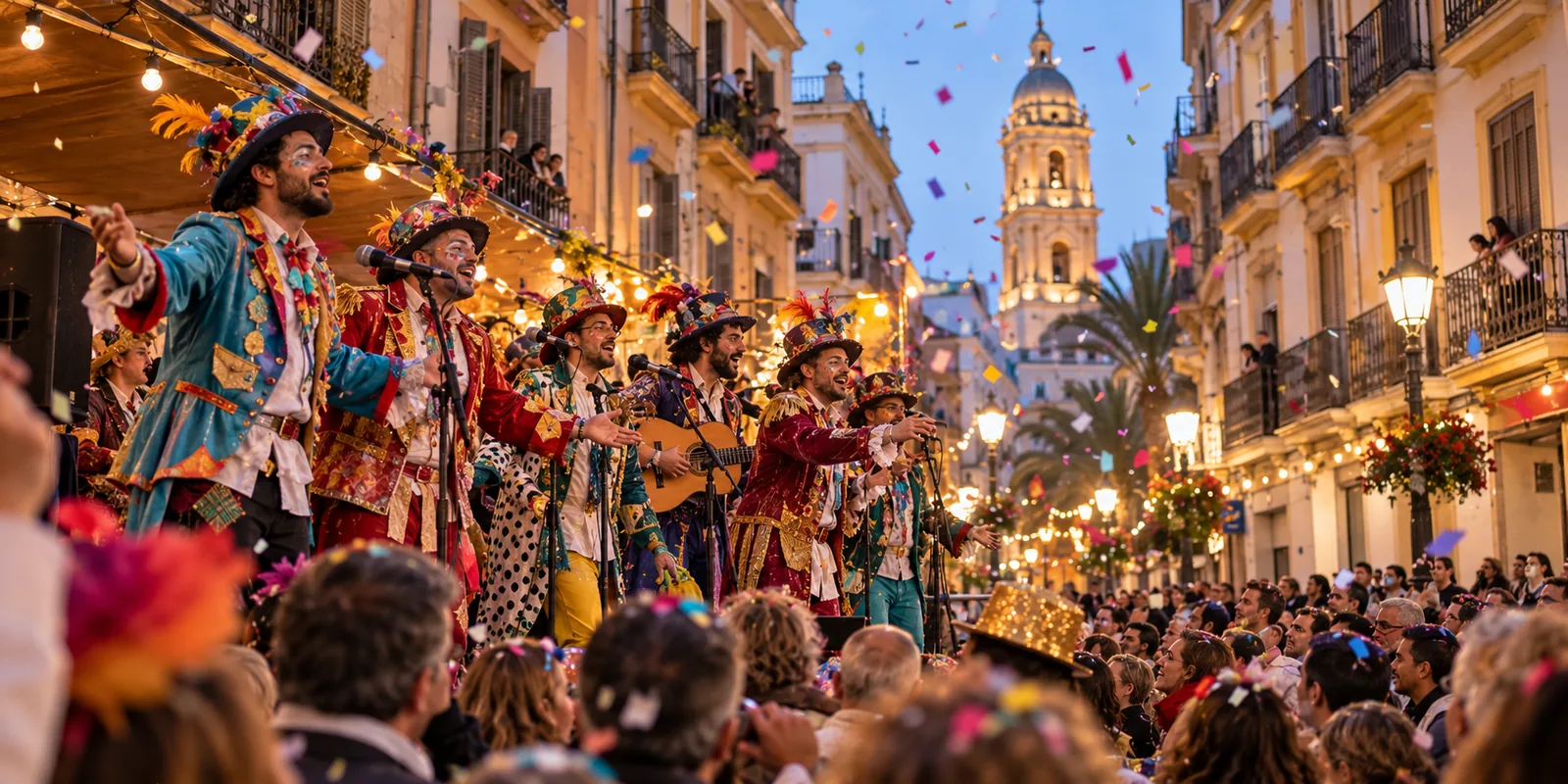
Malaga Carnival runs for almost a month, but visitors only need its last eight days: the Sunday parade, the Battle of Flowers on Calle Larios and the Burial of the Anchovy, all free in the street. The theatre contest is in Spanish and full of local jokes, and you can stream it at no cost. Theatre seats start at 13 euros, and in 2025 the Burial was called off by rain, so keep the last Sunday flexible.
The Malaga Film Festival is a showcase of Spanish-language cinema, not a celebrity event, and there is no pass for the public. What a visitor can enjoy without Spanish is the street side: the red carpet outside the Teatro Cervantes, exhibitions on Calle Larios and the old town in low season. Before it opens, the MaF programme fills the city with events from 4 to 25 February.
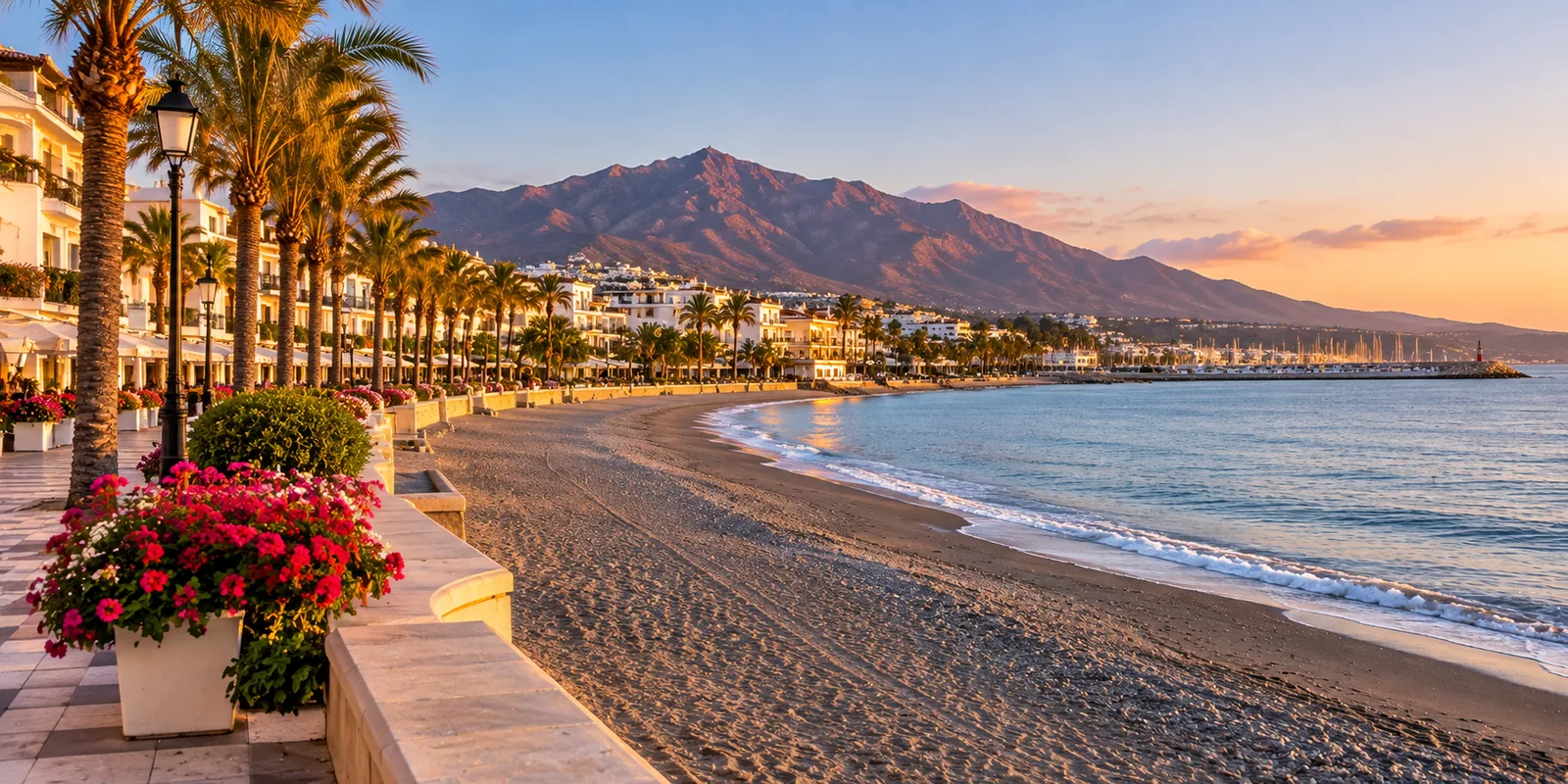
Marbella has eight Blue Flag beaches in 2026, from Guadalmina in San Pedro to Cabopino by the Artola dunes, and the famous one by Puerto Banús is not on the list. Straight from the airport, the bus costs 6.48 euros; dogs go to three beaches only, and assisted bathing needs a booking. From the Malaga city bus station, the cheapest fare is 7.81 euros.
Burriana for a lazy day, La Torrecilla for a walk from the old town, El Playazo for space, or a shingle cove under the Maro cliffs with nothing on the sand? Distances, flags, sunbeds and toilets for eleven beaches, the 3-euro summer shuttle to Maro and why dogs stay home all year. Burriana has a 240-space council car park right behind the sand.
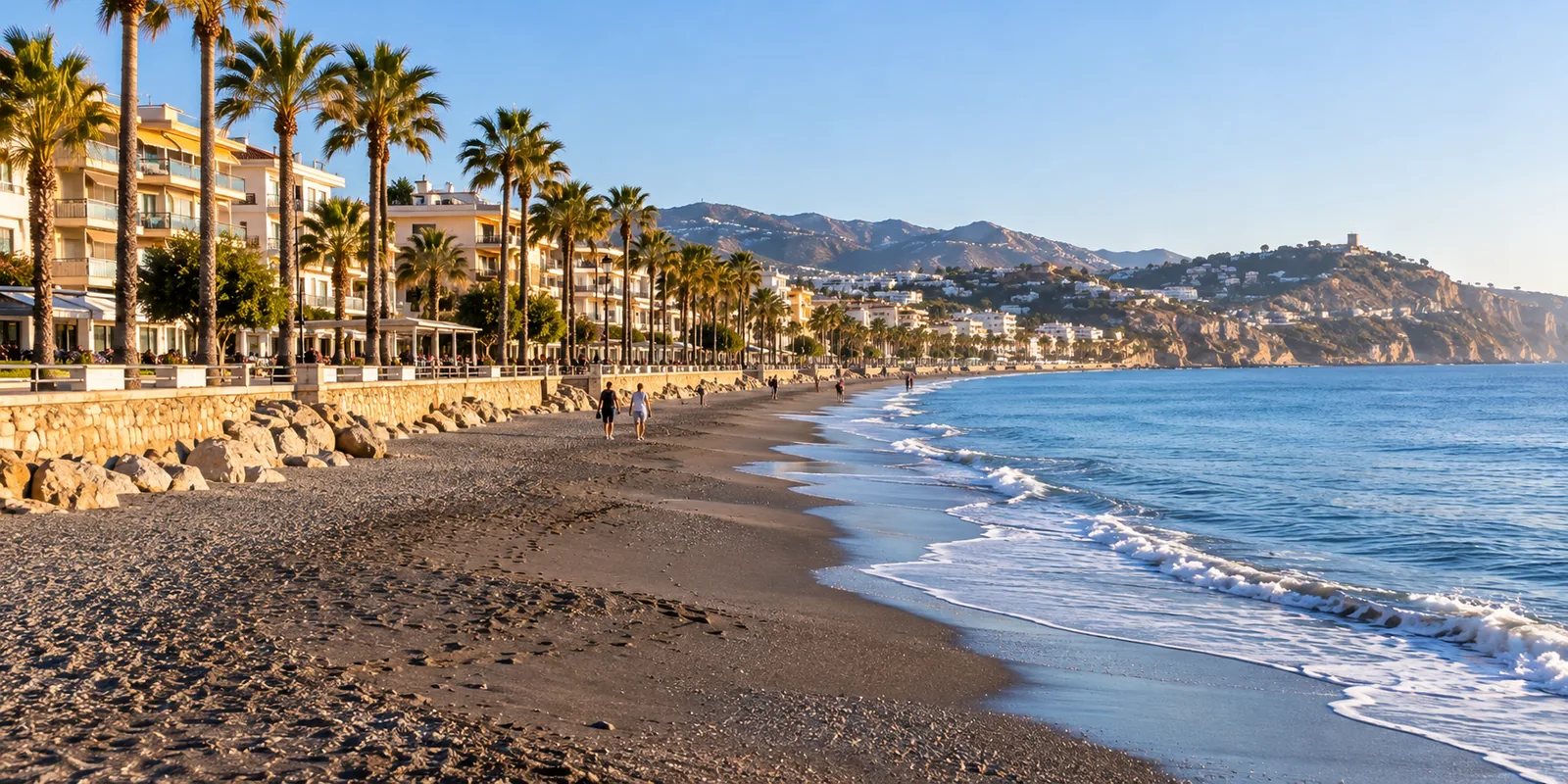
Rincón de la Victoria is the easiest beach escape east of Málaga: three long dark-sand beaches, a bus every few minutes for 1.75 euros, and quality marks on all three. There is no Blue Flag, no dog area and no lifeguard outside summer, and La Cala del Moral mixes its sand with shingle. Drivers get free parking beside each beach, 1,200 spaces at the central one alone.
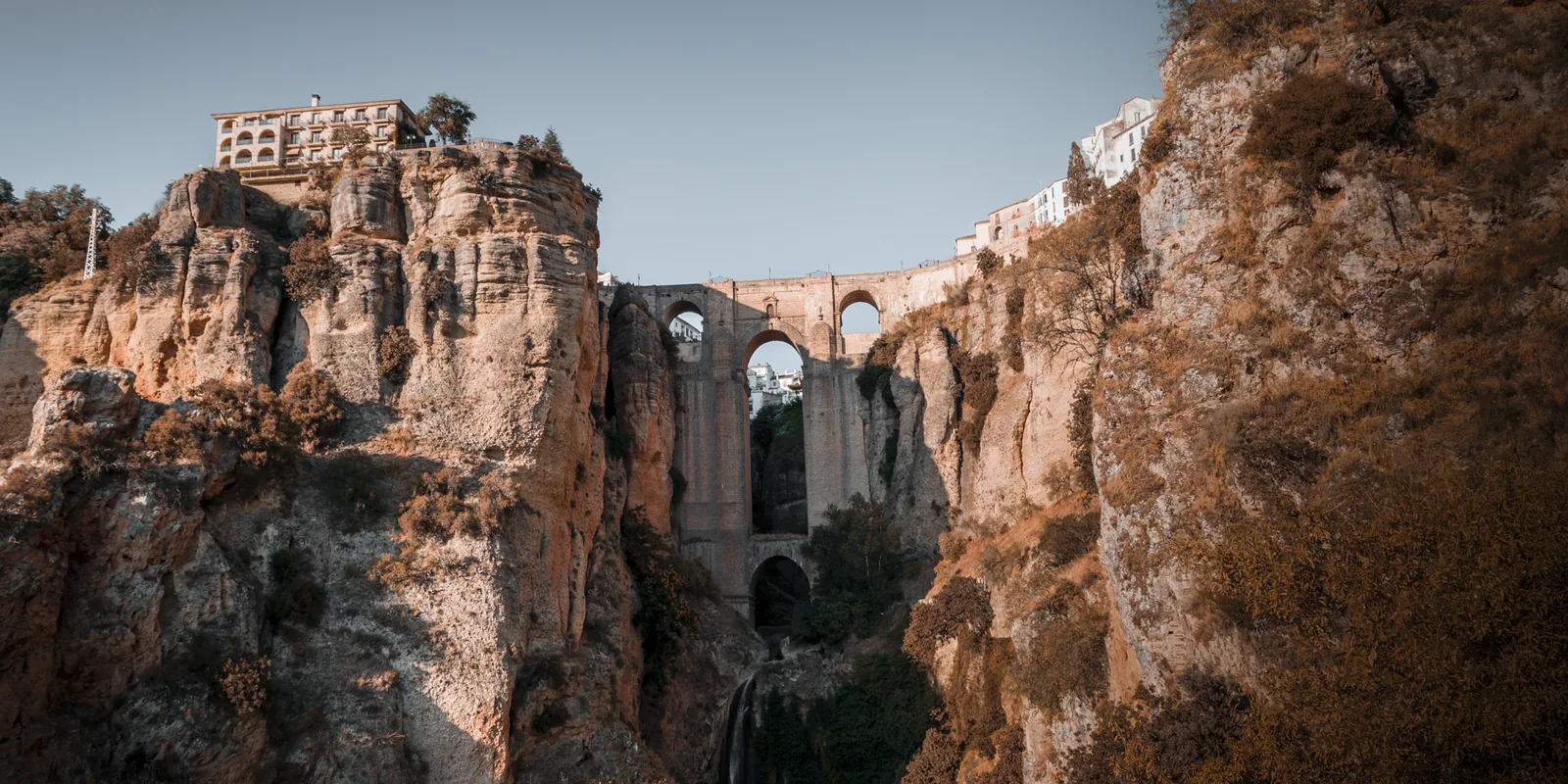
Which sights in Ronda are worth a ticket? The gorge walkway shuts at 17.00 from November and bars under-8s, the Moorish King's mine is a long climb back up, and the passes skip all three big names. Pick your day well: on Tuesday and Wednesday mornings an EU passport opens three sights free. And on Mondays from 10:00 the Joaquín Peinado painting museum is free too.
Only three villages in Malaga province carry the seal of The Most Beautiful Villages of Spain: Frigiliana, Genalguacil and Parauta, and two of them need a car. Without one, Mijas Pueblo fits in half a day from Fuengirola, Nerja and Antequera fill a day, and Ronda's last bus home leaves at 6.35pm.
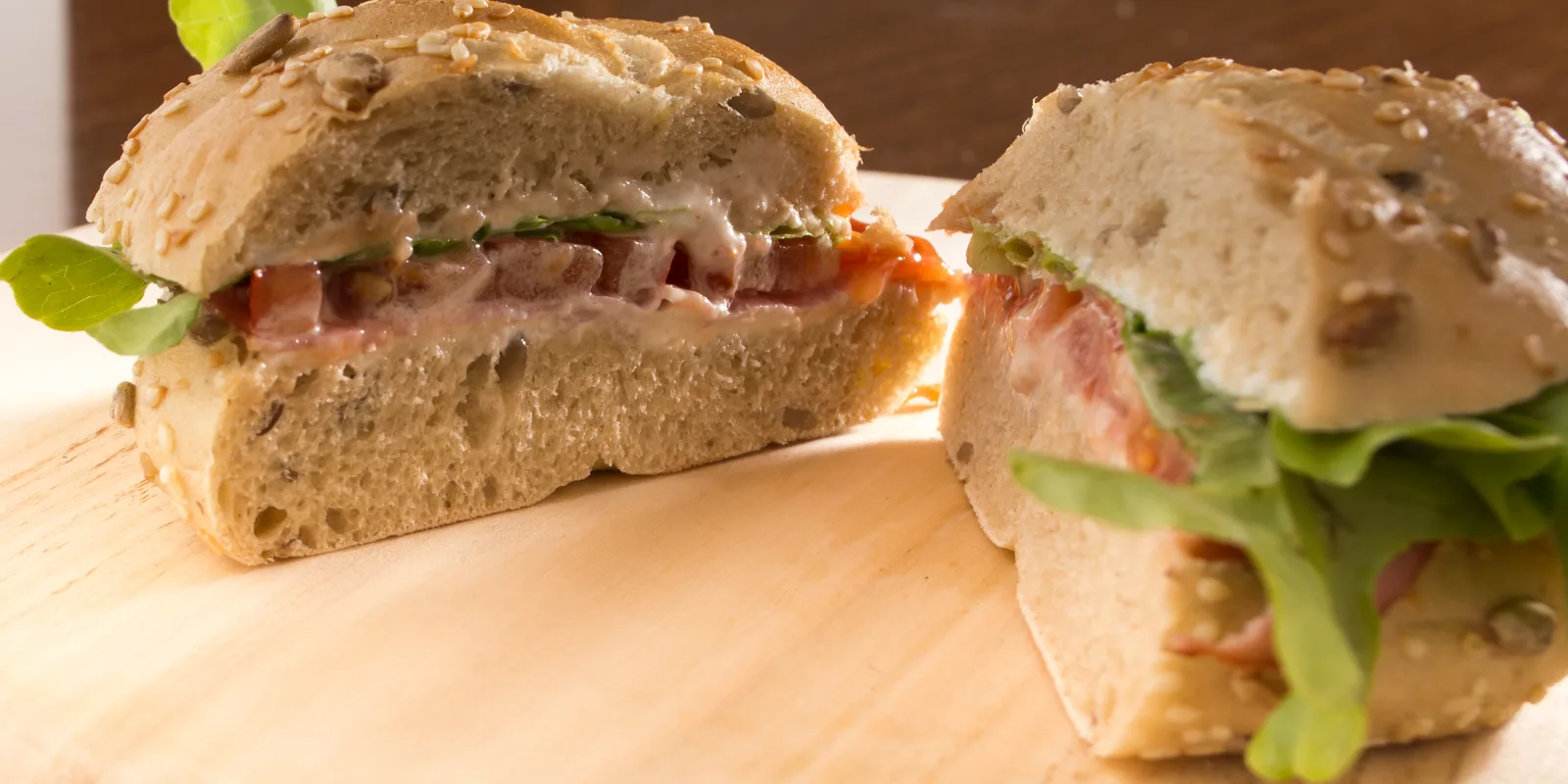
Think of a campero as a toastie built in a round, flat bun: ham, cheese, lettuce and tomato, pressed on the hotplate. Malaga eats it for dinner, so Mafalda opens at 6.30pm and MYA at 7.30pm. Six places, the price of a basic campero from 4.30 to 6.50 euros, and how ordering at the counter works.
You can walk all of Comares in a morning: its Moorish Route is a 1.5 km loop from the main square, and no stop is over 310 metres away. The catch is getting there, since the bus named after the village never reaches it, so this is a day for a hire car, a 436-metre zip line and lunch on the square.
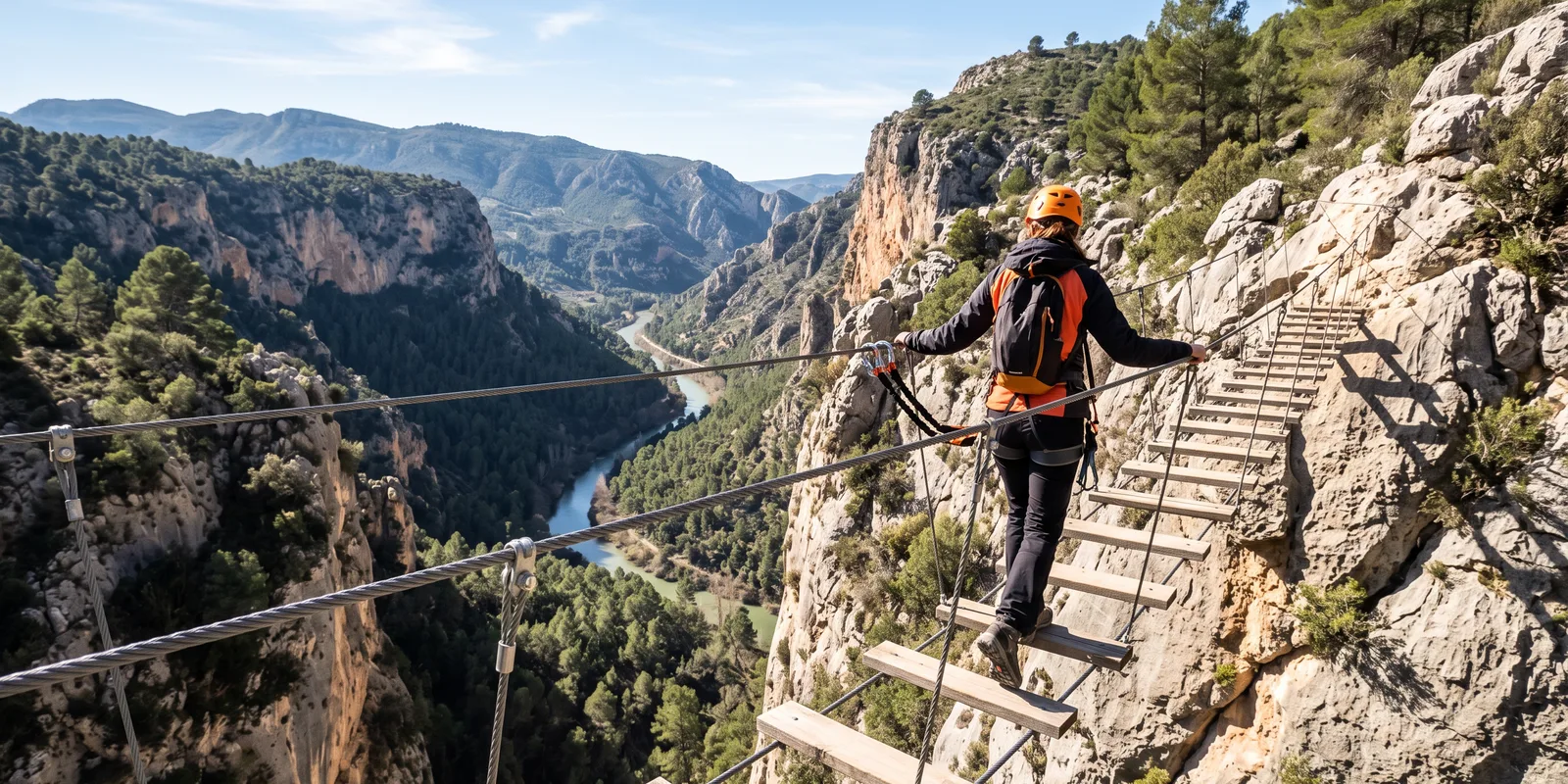
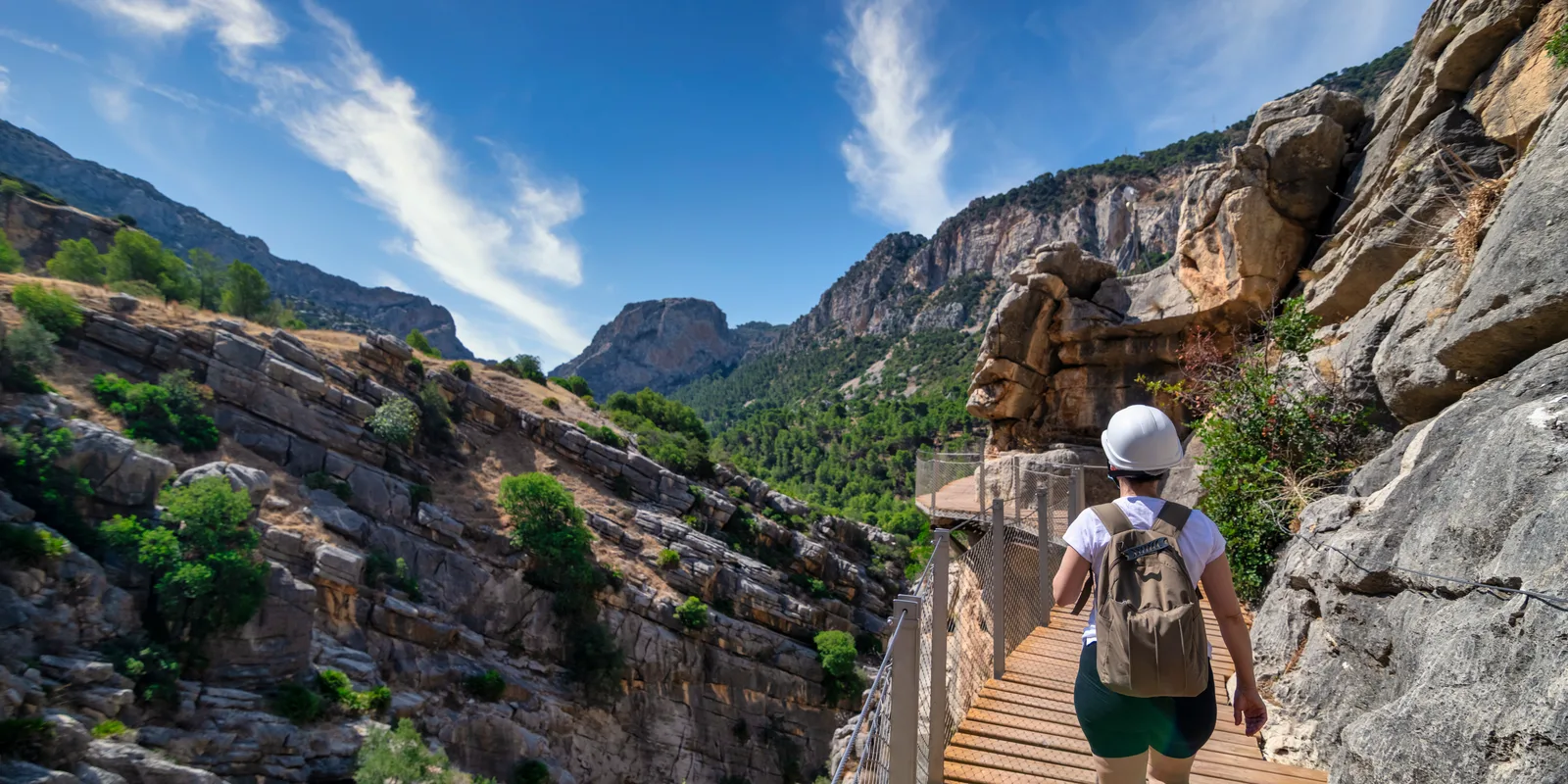
The El Chorro via ferrata is a 650-metre K3 route with two hanging bridges and a 35-metre zip line above the Gaitanes Gorge, next to the Caminito del Rey. You need no climbing experience or car, but the train only fits some start times, and minimum ages run from 12 to 16 depending on the outfitter.
Three resorts on one train line, three trade-offs. Fuengirola is the cheapest hotel base in 11 of 12 months, at €92.73 a room night, but sits 46 minutes from Málaga. Torremolinos costs the most, €126.99, and is 11 minutes from the airport. Benalmádena's only station is 1,458 metres from the beach.
Order gazpacho at El Pimpi and you get a 4-euro glass of cold tomato soup; gazpachuelo is the hot one, a fish broth whisked with mayonnaise. Four Malaga places have it on the menu, from a 5.90-euro ravioli at Uvedoble to a 24-euro fish main at Promesa, and one bus line links all of them.
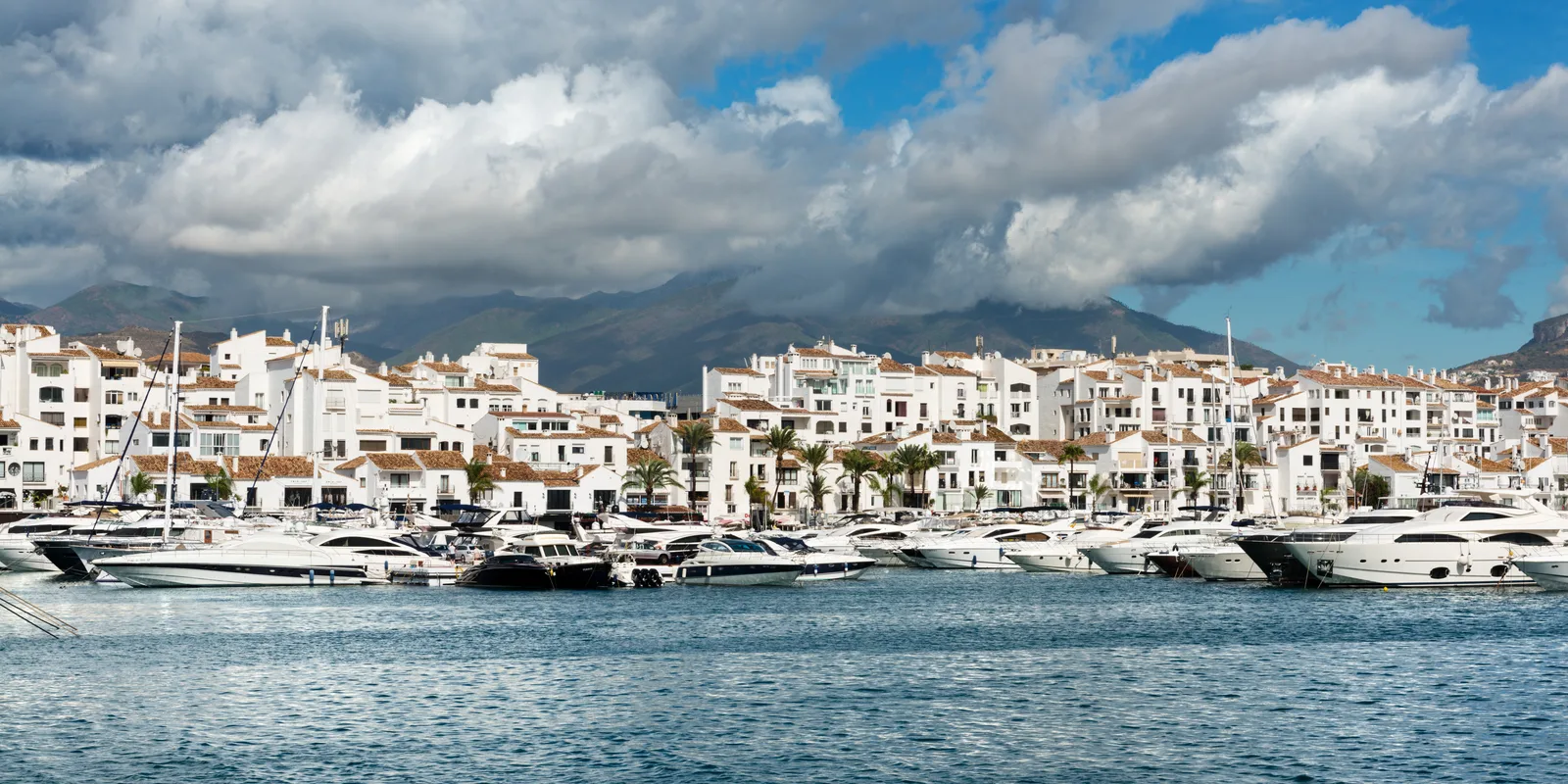
An afternoon is enough for Puerto Banús, a marina 6.9 km from the old town. The direct L-313 bus leaves Málaga at 2.15pm and heads back at 10.13pm; driving into the marina costs 185 euros a day, the Saba car park outside has 1,066 spaces, and Gold, on the quay, adds 10 percent service to every bill.
El Ojopatio and Sushi Haya stop cooking between 4.30pm and 8pm, when many children want dinner. El Pimpi in the old town keeps cooking straight through, Brunchit serves from 8.30am without booking, El Ojopatio charges 4 euros for its play room and Sushi Haya lets children under 1 metre eat free.
Age decides more than price. Game Over plays its escape rooms in English with no adult from 14, the Campillos karts also start at 14, and the Caminito del Rey, the El Chorro via ferrata and the Maro kayak tour all need a paying adult until 17. The airport train reaches the cable car in 18 minutes.
A venta is a roadside country inn, and the ones in the hills behind Málaga serve one famous plate: pork loin, chorizo, peppers, eggs and chips. Venta El Túnel prints its price, €12.50, opens six days a week and has a bus stop a 25-minute walk away. Venta Los Montes opens Friday to Sunday only.
Muelle Uno is the harbourside promenade on pier 1 of Málaga port, running from the Centre Pompidou to the La Farola lighthouse. It has 28 places to eat, only 20 shops and a car park charged by the minute, and the classic visitor mistake is ordering lunch at 17:00, when some kitchens are shut.
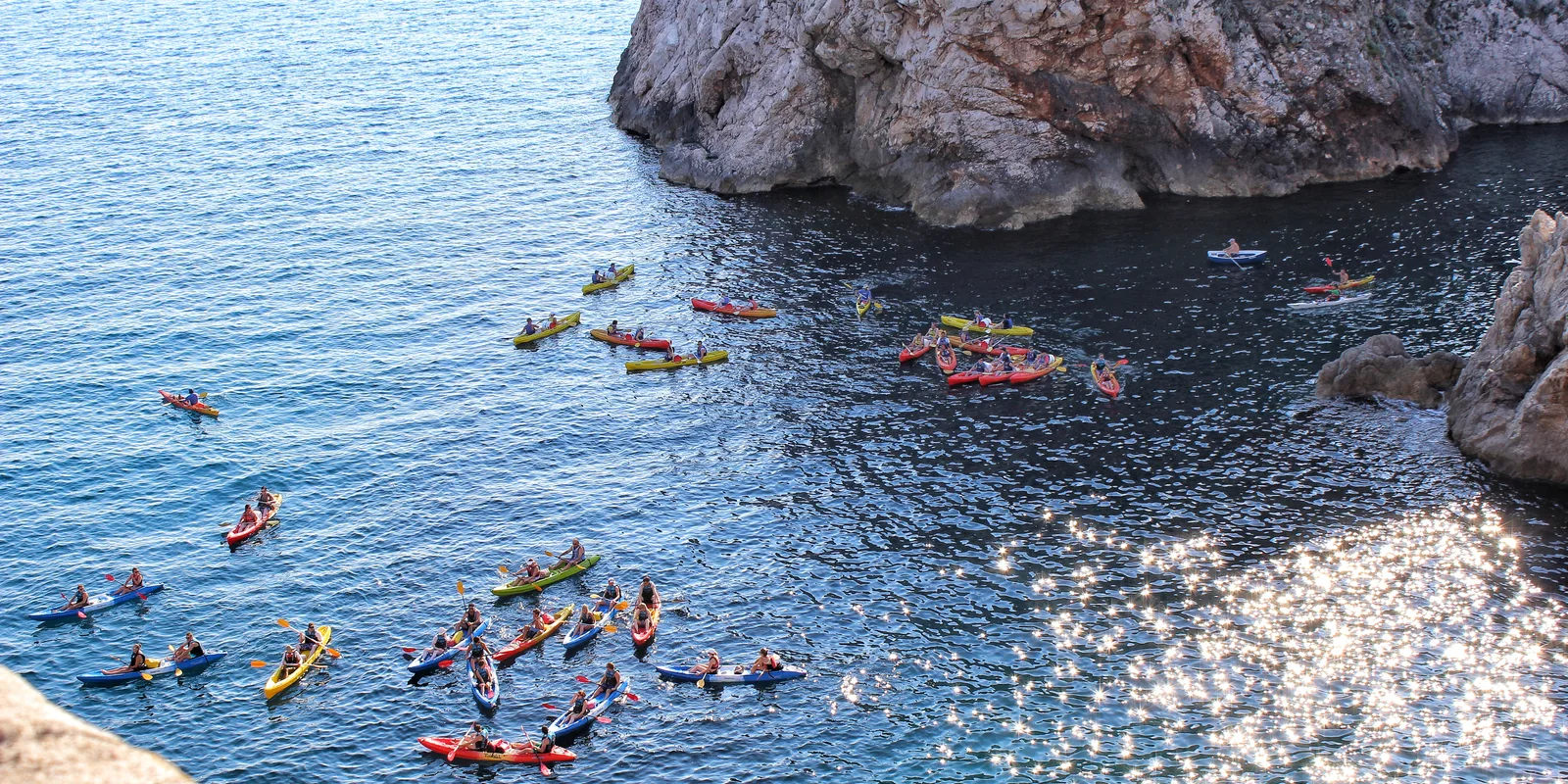
You do not need to have kayaked before to reach the Maro waterfall from Nerja, but you do need to swim. Guides speak English and Spanish, you pay a deposit online and the rest on the beach, and a morning slot leaves time for paella at Chiringuito Ayo, whose kitchen closes at 5.30pm.
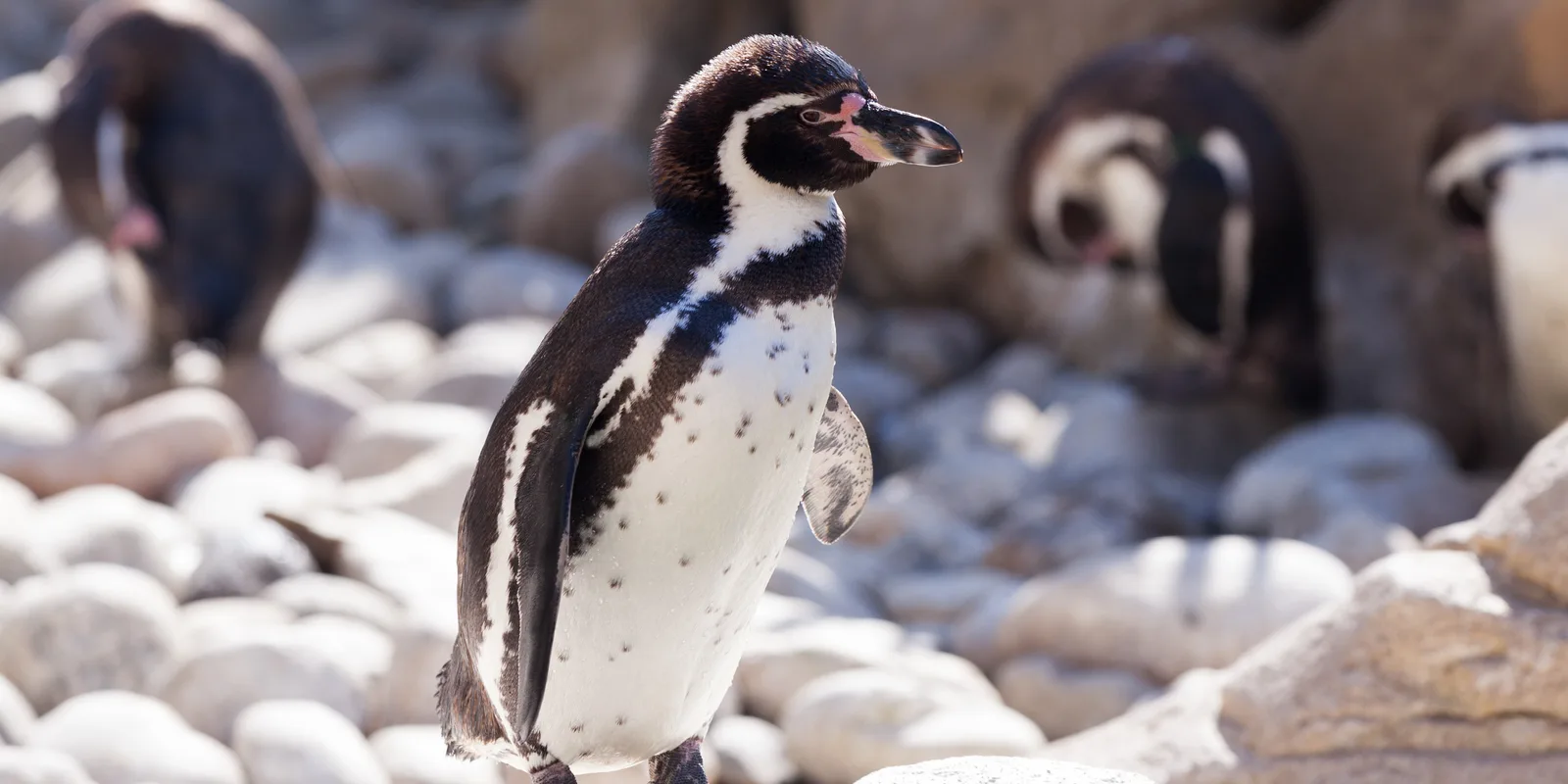
There is no dolphin show at Selwo Marina right now: the main pool has no activities, and what you get is a free dolphin feeding at 2pm on weekdays plus penguins from four species. It suits children aged 3 to 10, sits 13 minutes on foot from a C-1 train station, and costs from 15.90 euros online.
Five places to eat in Málaga's Soho sit within 187 metres of each other, and the hour you turn up decides which one works. Santa Coffee opens at 8am, Picnic serves tapas from €5 to €8 until 11:30pm, Óleo shuts its kitchen from 4:30pm to 8:30pm and Atrezzo keeps cooking all afternoon.
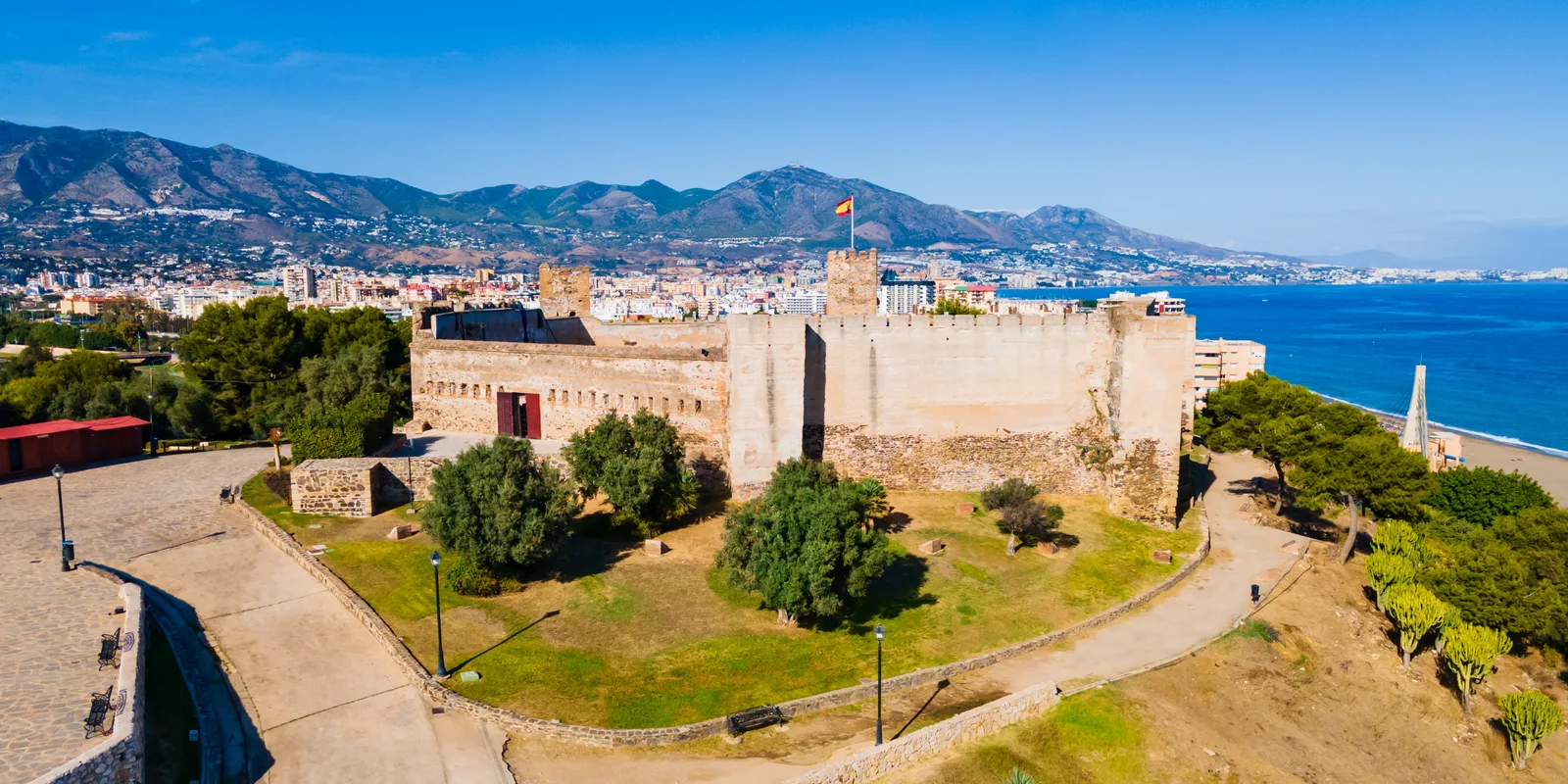
Fuengirola works better as a holiday base than as a sightseeing stop: trains reach Malaga Airport in 34 minutes and run until 12.20am, four Blue Flag beaches line 7 kilometres of coast and Mijas Pueblo is 25 minutes uphill by bus. Its heritage sites, Sohail Castle included, all close on Mondays.
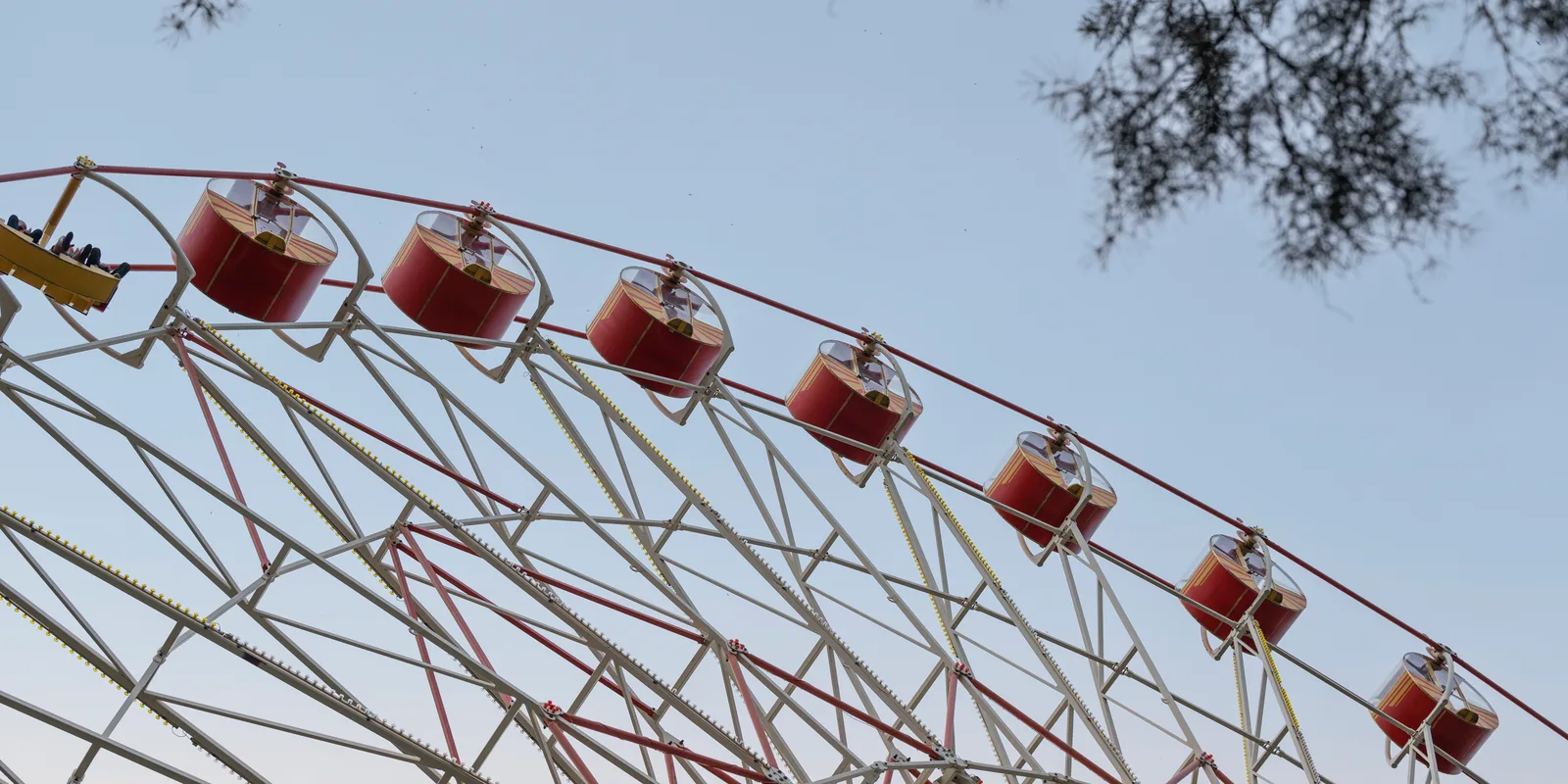
Tivoli World has not sold a ticket since the pandemic, and its comeback still needs an environmental report, two council votes and a building permit. The good news for families: the Benalmádena cable car, Selwo Marina and Sea Life are open, all reachable on the airport train without a car.
Without a car, Sunday decides the trip: the C-2 train gives you over 14 hours in Álora and the bus more than 11 in Torre del Mar, while Almogía has no ride back at all. Mijas works at weekends only through Fuengirola, and the bus line named after Comares stops short of it, at Olías.
Bar Nerva stops serving at 4pm and Mafalda does not open its doors until 6.30pm, so a day of Malaga food runs on the clock. Eight places from the old town to Pedregalejo, the price of each typical dish, the bread charged per head and which plates turn out sweet where you expect salt.
Staying in Nerja means eating on Spanish hours: most kitchens close between about 4pm and 7pm. Here is where to go for a free tapa with your drink, fried fish by the half portion, wood-fired paella on Burriana beach and a tasting-menu dinner, with menu prices, opening hours and how booking works.
Staying in Torremolinos or coming down from Málaga for a meal? The fish is at La Carihuela and the tapas are in the town centre, and the clock decides which: the beach bar stops cooking at 17:00, dinner means a booked table, and the last train to Málaga leaves at 00:43. Menu prices for each place.
Galaxy Park runs bowling lanes in two places a visitor already passes: Vialia, inside María Zambrano train station, at 5 euros a game, and Muelle Uno by the port, at 8. Neither needs a booking, entry is free, and children get side bumpers and a ramp to push the ball down the lane.
Outside the city, Malaga province has castles you can walk into for 2 euros or less, but they keep short weeks. Teba opens Thursday to Sunday until 3pm, Gaucín Wednesday to Sunday and Casarabonela only at weekends, while San Luis in Estepona and Archidona open every day of the week.
Three Malaga cinemas screen films in their original language with Spanish subtitles every day: Yelmo Plaza Mayor, Yelmo Vialia and mk2 Málaga Nostrum. A ticket costs 9.70 euros online, or 6.90 on Wednesdays, and mk2 adds classic, cult and Miyazaki screenings at 8pm for 6.50 euros.
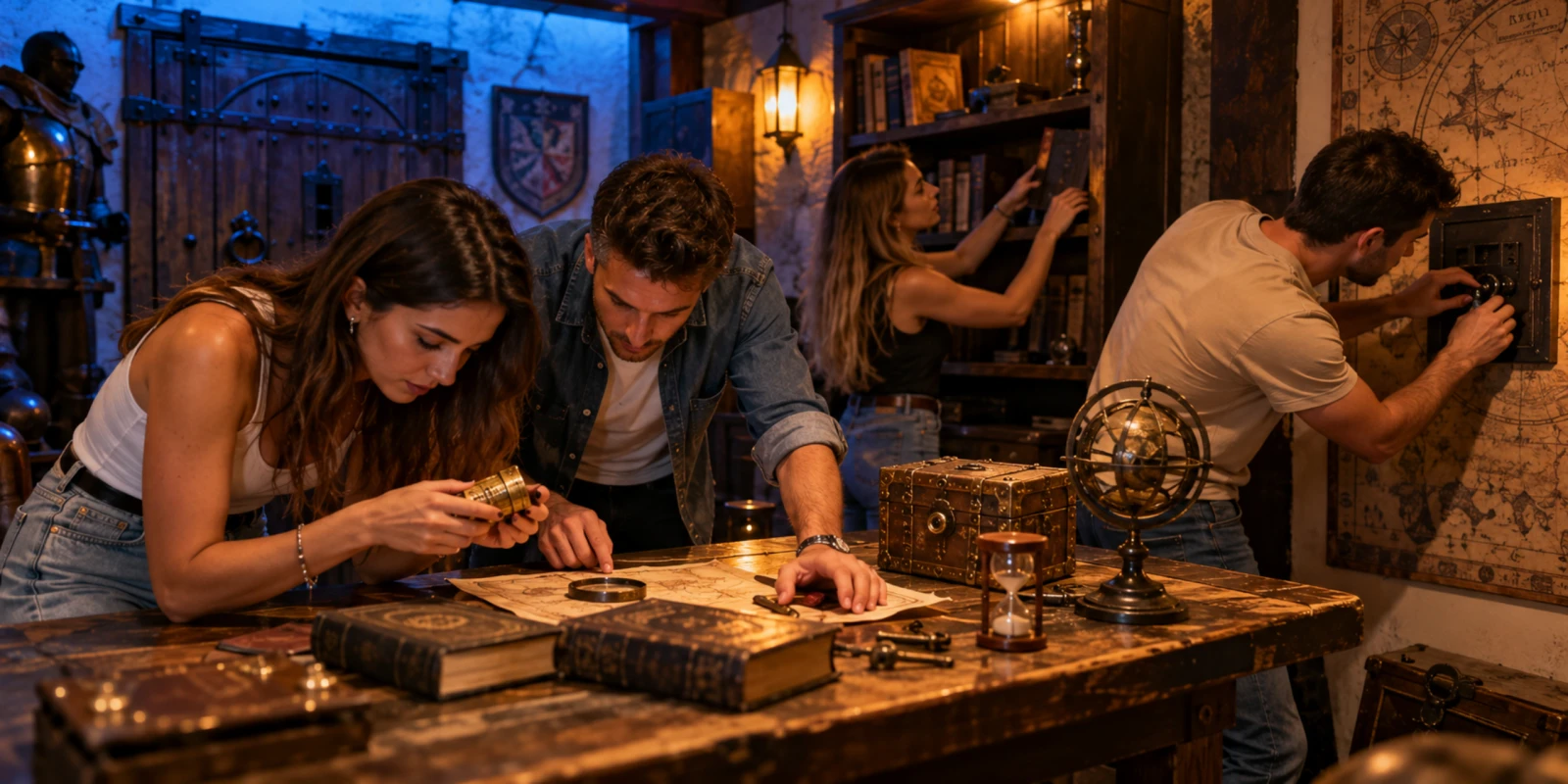
Two Malaga escape rooms play every room in English without asking in advance: Game Over in El Perchel and La Casa de las Habitaciones near María Zambrano station. A group of 4 pays 88 euros for an hour at the first and 64 at the second, and Game Over takes no deposit when you book.
There is no train to Selwo Aventura: from Malaga you take a coach to Marbella bus station and change to the L-79 towards Estepona, which stops at the park gate. Buying online saves 10 euros on a general ticket, and from 3 November the park opens only from Friday to Sunday until December.
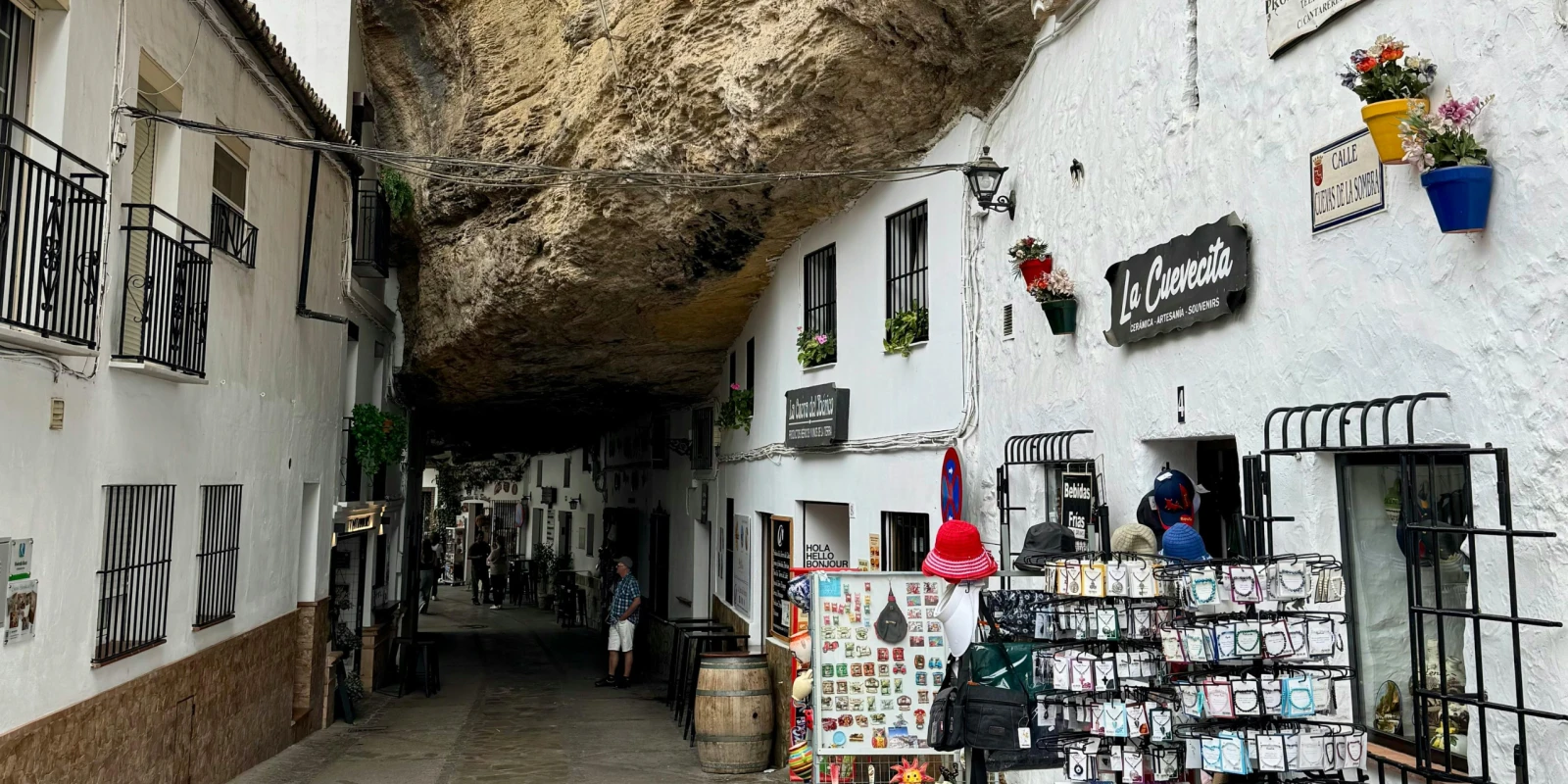
Setenil, the village built under the rock, sits in Cádiz province, 95.2 kilometres from Malaga by road. Without a car it works only on weekdays, through Ronda: line 66 leaves Ronda at 11.30am and the last useful bus back leaves Setenil at 1.55pm, so you get 1 hour 40 minutes there.
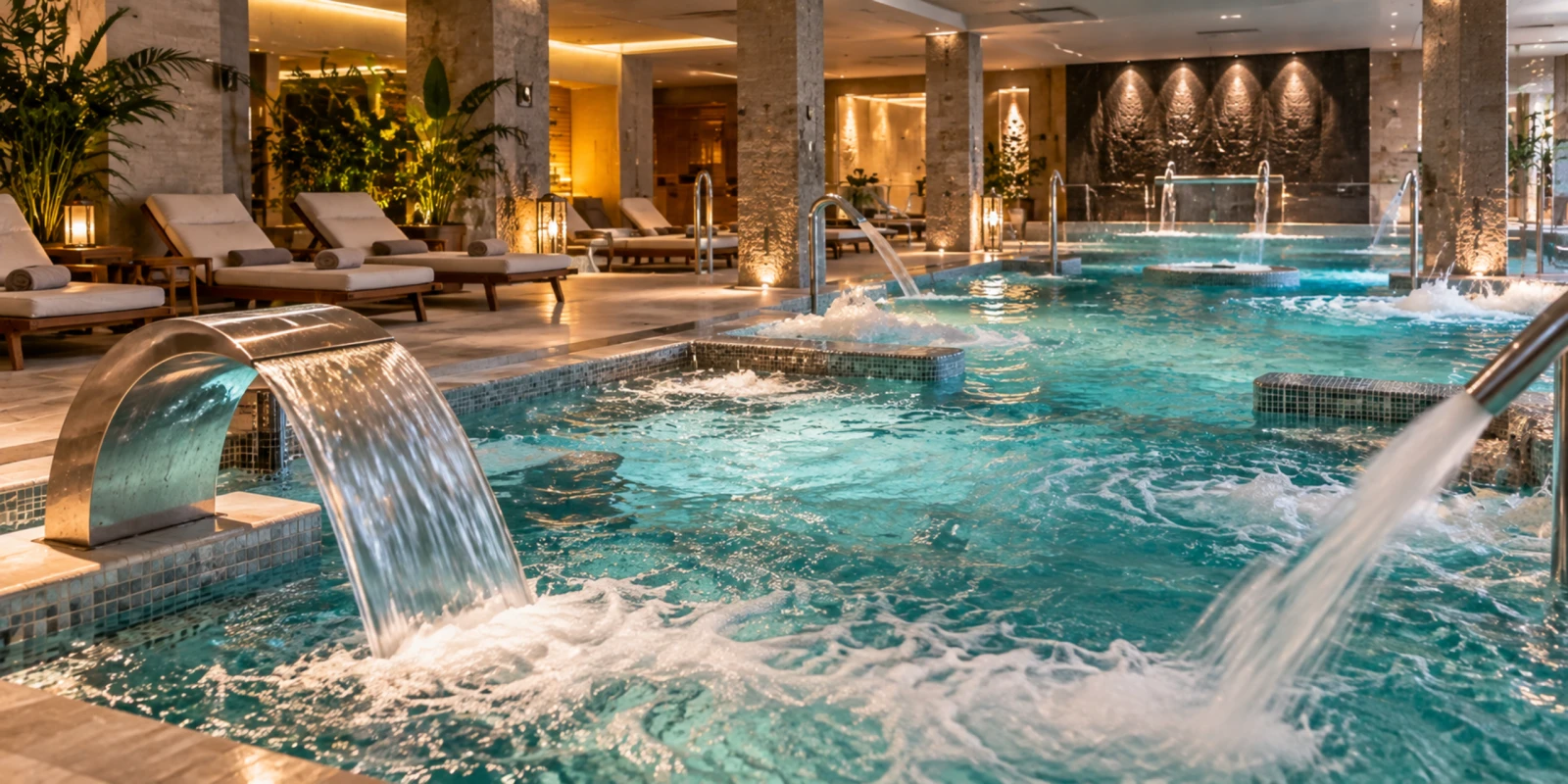
Three hotel spas around Malaga sell the thermal circuit to people who are not staying: the Gran Hotel Miramar in the city, and La Zambra and La Cala in Mijas, under 30 minutes away by La Zambra's figure. Per minute in the water, La Cala costs less than half what the Miramar charges.
Nerja's four Blue Flag beaches in 2026 are Burriana, Maro, Playazo-Chucho and Torrecilla, and Calahonda sits right below the Balcón de Europa. The ALSA bus from Malaga takes about 1 hour 25 minutes, and part of the Burriana promenade has been closed since the February 2026 storms.
Malaga's Japanese buffet is not self-service: at Sushi Haya you order plates at the table for 16.95 to 21.95 euros a head, with a compulsory drink and 3 euros for every plate left with food. The small chef-led rooms need booking: Sake Izakaya seats 24 a sitting, and Óleo wants 24 hours' notice.
Hungry at 5pm in Malaga? BSMASH, by María Zambrano station, and Milwaukee, opposite Atarazanas Market, cook straight through from noon, and Milwaukee takes no bookings at all. Gottan Grill's thick burgers cost 12.95 to 15.95 euros with fries included, while BSMASH charges 2.50 for them.
On a budget in Malaga, sit down for the menú del día, a fixed-price lunch of starter, main and dessert or coffee: 12.50 euros in the old town, 7 at a senior centre café in La Luz. The rules change door to door, from one drink or none to Bar Nerva's bread, billed at 1.50 euros a head.
Malaga clubs stay open until 6am or 7am, yet the cheaper ticket is the early one: Barsovia and Bubbles charge 10 euros before midnight and 15 after 1.30am. Tickets are sold in each club's app with a QR code, Theatro admits only over-21s, and Santa Rita will not accept a driving licence as ID.
Want pizza at 5pm or on a Monday in Malaga? Gusto, on Calle Bolsa, serves from 12.30pm to 11.30pm every day, while Vittoria, behind the cathedral, closes from 4pm to 7pm and all day Monday. Margheritas cost 8.55 to 9.50 euros, and Ciao's 2024 menu adds 0.90 a head for bread and cutlery.
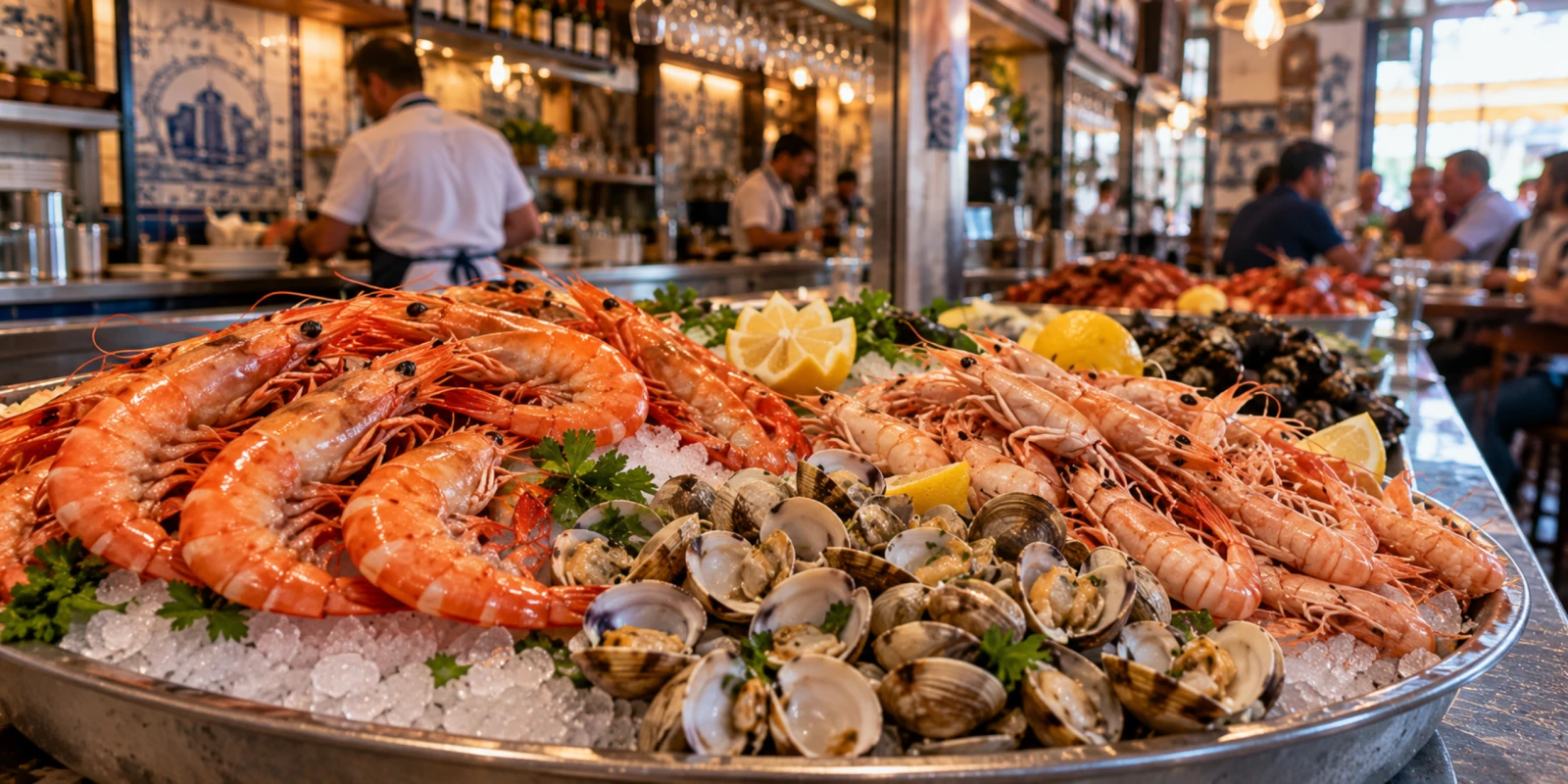
A Malaga seafood menu that says 26 euros next to the prawns usually means 200 grams, not a plate: that is Jacinto's price for gambas de Málaga. Godoy, on Muelle Uno, prices them per 250 grams and charges 2.80 euros a head for bread, while Los Delfines sells prawns by the half portion, at 11 euros.
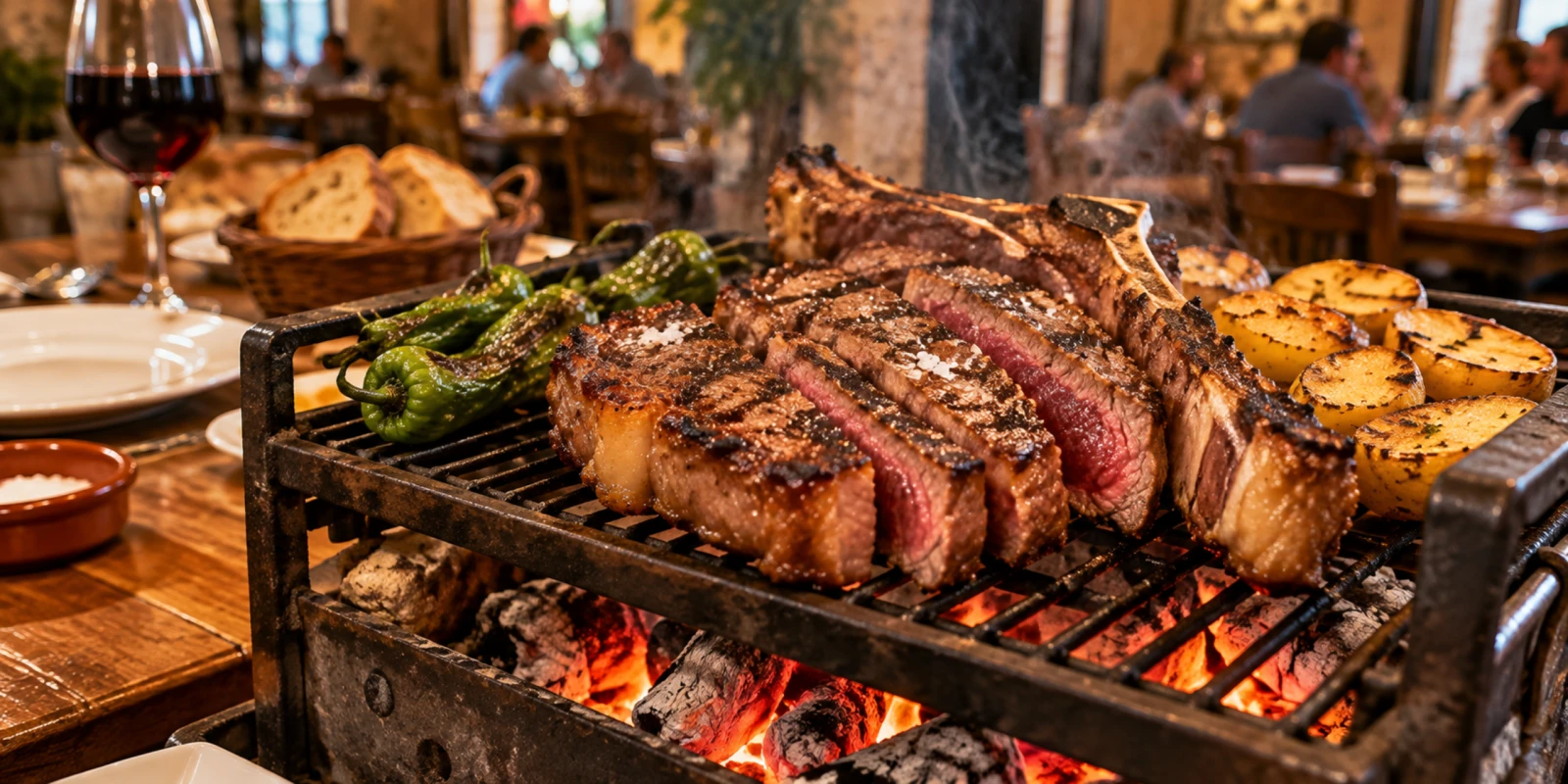
Order a chuletón in Malaga and you pay by weight. Verum charges 8 to 9.50 euros per 100 grams and trims the spine bone before weighing; Casa Tuti asks 70 euros a kilo. For a fixed bill, Angus Muelle Uno lists a 300-gram sirloin at 26 euros and a 1.2-kilo côte de boeuf at 82, VAT included.
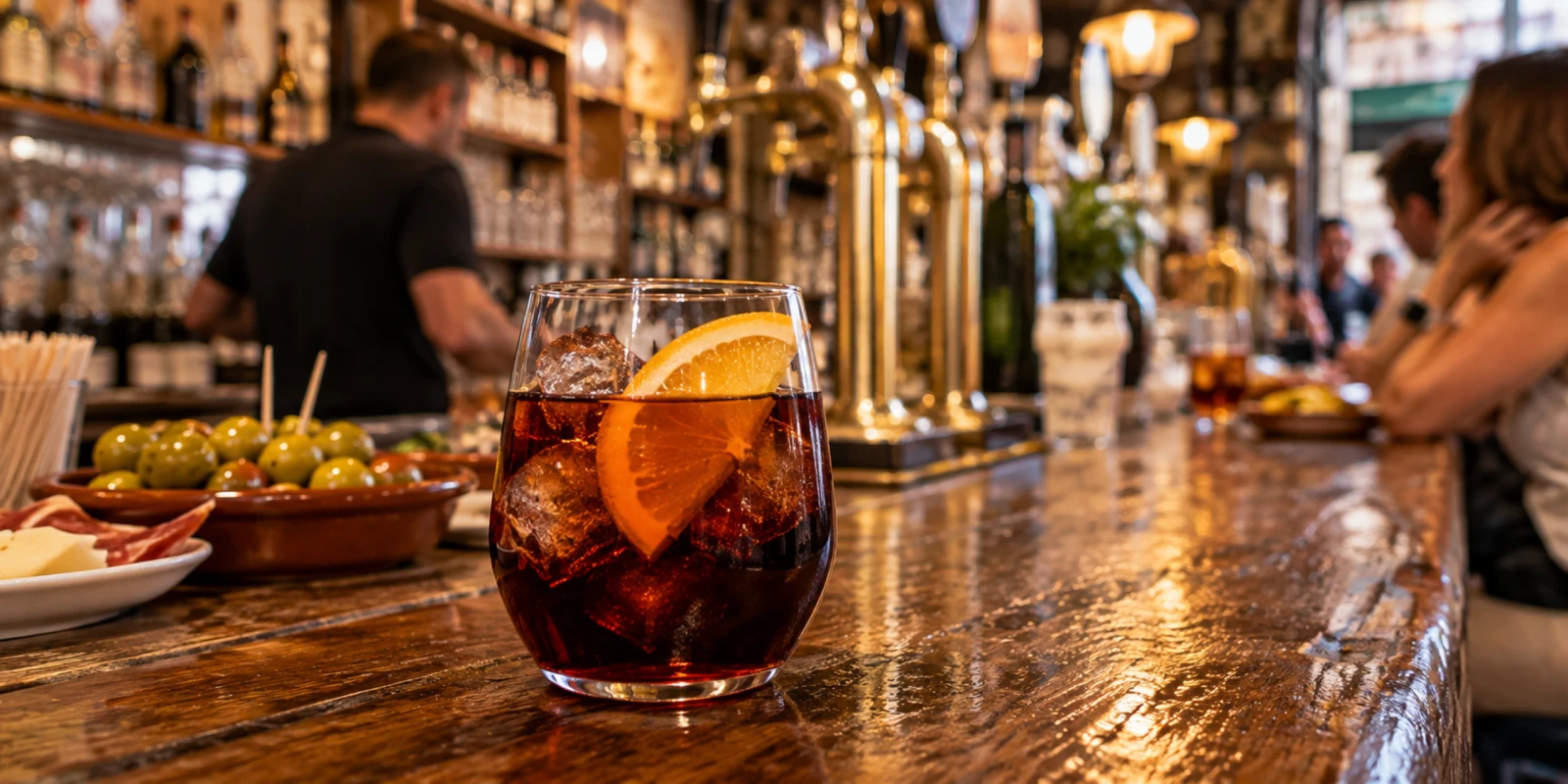
Vermouth hour in Malaga starts at noon, when La Clásica, La Tranca, Casa Lola and El Pimpi open their doors. A glass of draught vermouth costs 2.60 to 3.70 euros, bottled brands up to 6, and every tapa is paid for separately, from a 2-euro gilda at La Clásica to a 3-euro one at Casa Lola.
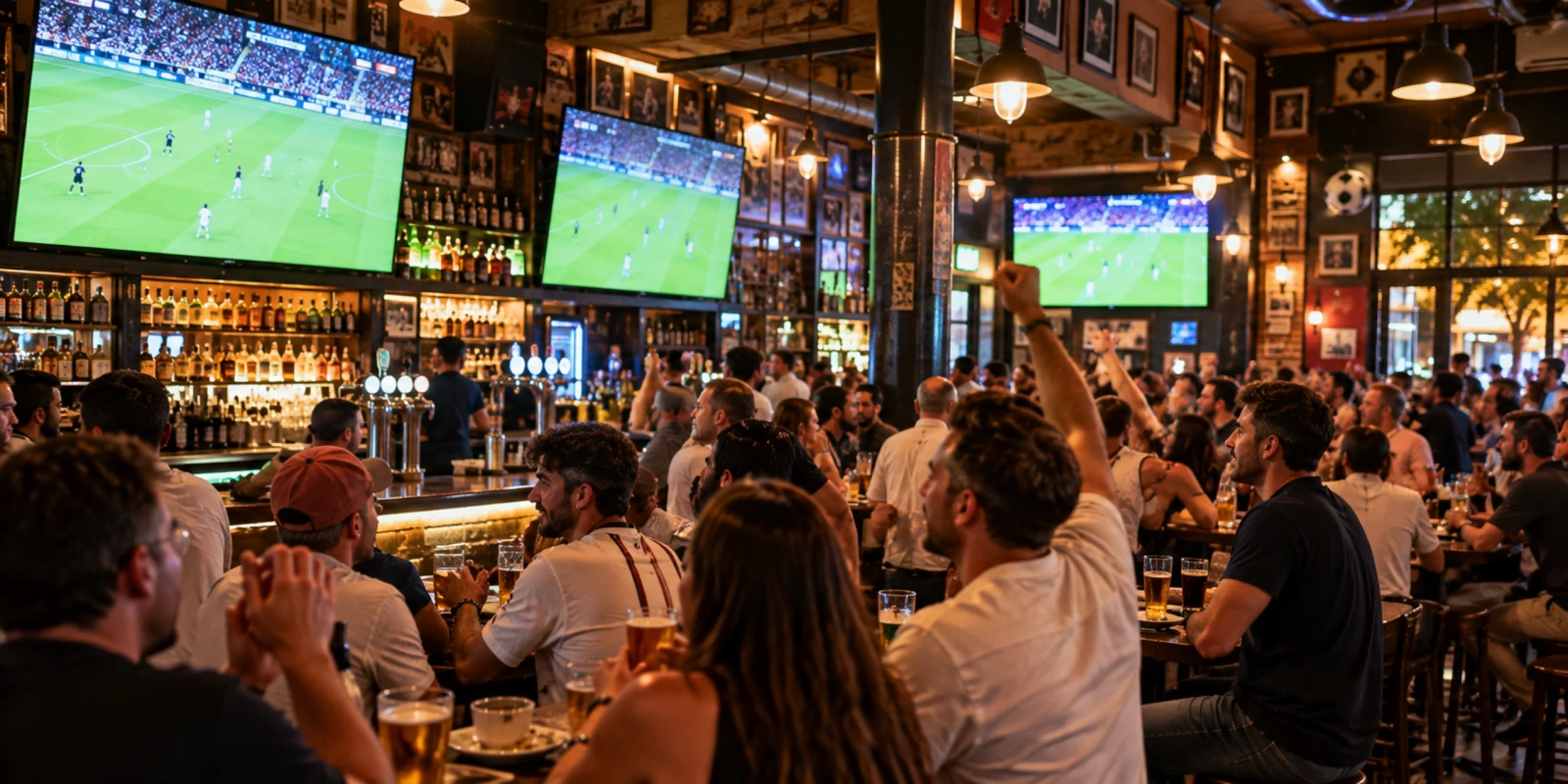
Opening time decides the pub for a weekday match in Malaga: Camden Lock opens at 5pm and The Garrison Tavern at 7pm, too late for a 6.45pm Champions League game. A caña costs 2.50 euros at Vox Sports Bar in Pedregalejo, and that chain's old-town branch on Calle Calderería has closed.
A cocktail in Malaga costs from 7 euros at Mañana to 18 at Chester & Punk. The Pharmacy hides its speakeasy in a basement you simply walk down to, no password, Chester & Punk pours until 3am at weekends, and Nusa serves on the Muelle Uno harbourfront from noon, without any booking at all.
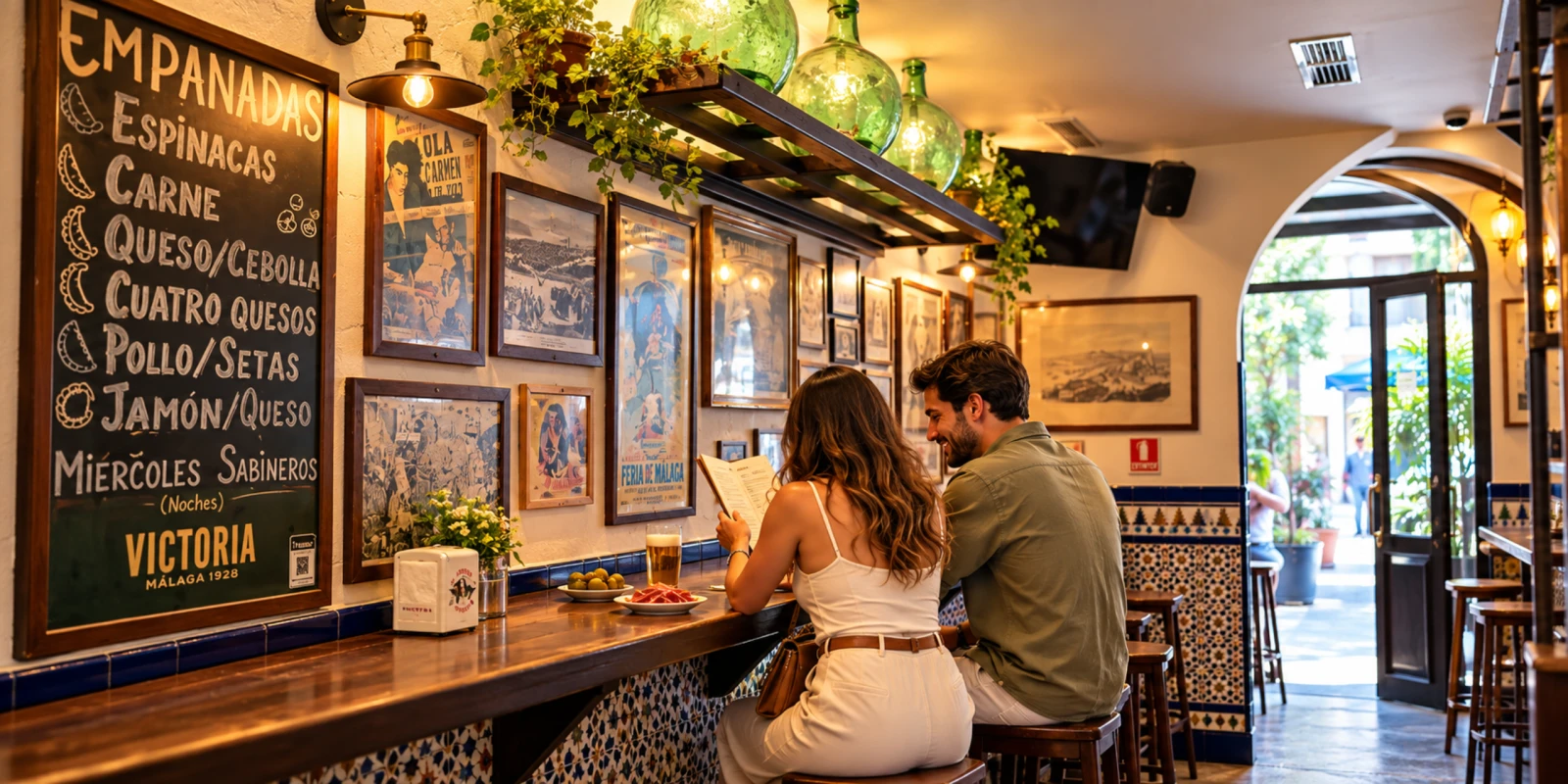
A standing-room tapas bar on Calle Carretería where you order at the counter, your tab is chalked on the bar and staff sing along to old Spanish hits. It scores 4.6 out of 5 from 1,436 TripAdvisor reviews and tapa-size portions mostly cost under 5 euros, but there are no bookings and barely any seats.
Malaga's live music runs on a weekly timetable: soul on Mondays, a jam session on Tuesdays and funk on Thursdays at ZZ Pub, whose 10-euro entry includes a drink, and piano jazz at Bon Bon from 9pm. The first set at ZZ Pub starts at 11.30pm, so plan a late Spanish-style night out.
Brunch in Malaga starts earlier than visitors expect, at 8.30am at Byoko and 9am at Brunchit and Concept 30, and ends sooner: those two stop cooking at 3.30pm and 3.15pm. Byoko serves its 15.20 and 19.50-euro sets all day and is the only one of them that takes bookings online at all.
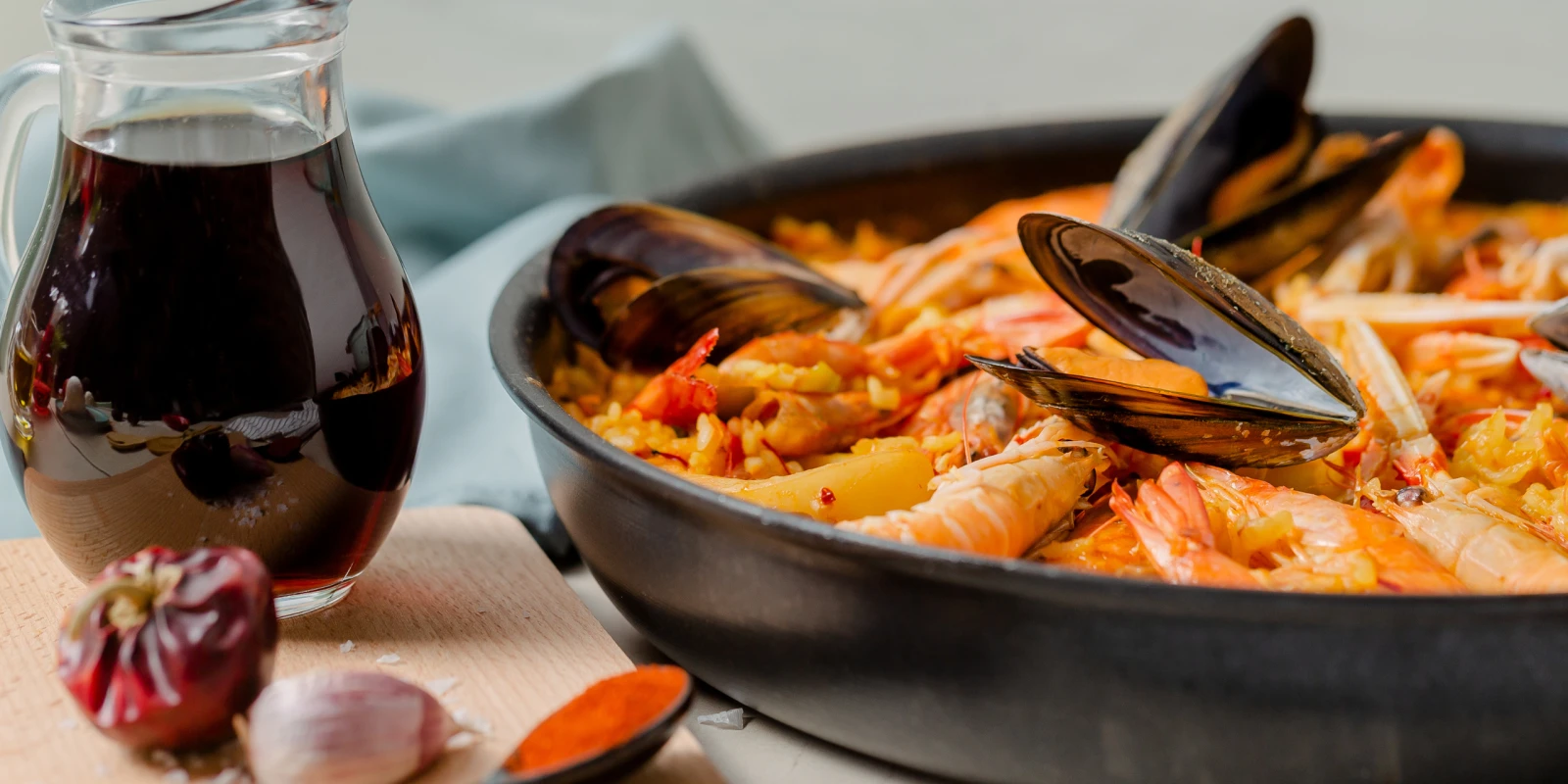
Two rules catch visitors out with paella in Malaga: most rice houses want at least two people per pan, and several only serve at lunchtime, like Arrozeando in Pedregalejo, open 1.30pm to 6pm. For one person or a late dinner, All Rice at María Zambrano station serves paella by the plate until 11.30pm.
The best romantic table in Malaga depends on when you eat. Visitors who dine at 7pm can book José Carlos García or the seafront El Balneario, both closed by Spanish dinner time, while Batik serves a 45-euro menu facing the Alcazaba and Matiz adds live jazz every Friday at 9pm for a first date.
The night buses in Málaga are not a skeleton service: the N3 runs 78 stops out to Campanillas against a network median of 46, and at the same 1.40 euros as by day. The whole network is 48 lines over 1.136 stops, and its shortest line, the museum tourist route, calls at only 4 of them.
The dearest station in Málaga province charged 31 per cent more than the cheapest for the same litre of 95 petrol on the same day, which is 25.05 euros on a 50-litre tank. The four cheapest are inland farm co-operatives, and the coastal resorts hold the highest municipal medians.
Two thirds of the reserved parking points in Málaga are a single bay, so arriving to find it taken leaves nothing at all to fall back on. The council map lists 1.366 of them with coordinates, and its own totals disagree by 157 bays between the summary field and the sum of the rows.
The Crown shot seasons three to five across four Andalusian provinces and left 27 named locations, of which only 9 sit in Malaga. The Snow Girl is the opposite case, with all 14 of its stops inside the same province. Four official trails name 44 places, and 32 of them are free to walk into.
Autogas here follows the coast and the motorways, and the whole interior is served by four pumps. Nineteen of the network stay open around the clock, all of them sell to the general public with no card or account, and on one September day the gap between the cheapest and dearest litre came to 29 cents.
Under-14s go free, the reduced rate starts at groups of 4, and the whole display is 140 square metres in 4 rooms that shut at 17:00 with no afternoon session at all. The catch is Sunday: the listing shows hours from 10:00 to 14:00 and the door only opens for people who wrote ahead to book.
There are 11 pull-up bars in the whole of Málaga, spread across a network of 172 council outdoor gyms that hold 1.343 machines between them. The municipal file grades every one of those machines from 1 to 4, and 644 of them sit at the gentlest level while only 69 reach the hardest.
One taxi rank in Málaga holds a single car and another, at the airport, holds 150 vehicles. Between those two extremes sit 104 more, adding up to 1.069 spaces, and 34 of the ranks take four cars or fewer. Seventy-seven run around the clock and only 8 of them are marked accessible.
A 200-gram box of designation raisins costs 5.00 euros and the 400-gram one 8.50, while bottles under the Málaga designation run from 7.00 to 72.00. The shop that sells both belongs to the regulating council's own museum, which opens 10:00 to 17:00 on weekdays and shuts at 14:00 on Saturdays.
Entry is free and so is the car park, but two things decide whether the visit happens at all. It shuts at 14:00 from Wednesday to Sunday, with Tuesday the only late day, and the walk from the airport railway station takes about 20 minutes each way, so the round trip costs 40 before you see a plane.
Trains leave the terminal for the coast until 23:42 and reach Fuengirola at 00:16, while trains towards Malaga city carry on until 00:54. That 72-minute gap catches people out, and so does the drop from a 20-minute to a 30-minute wait after 21:42. Marbella has no station at all and runs on a bus desk that shuts at 23:00.
A licensed stopover and a municipal car park look identical from the driving seat and are not the same thing. The register holds four of the first kind in this province, one from 2019 and three added during 2026, and none in Ronda, Nerja or Antequera whatever the camper guides say.
One promenade, no crossings and three beaches in a row: La Caleta at 1.000 metres, the coves of Pedregalejo behind their groynes, and the 1.200 metres of open sand at El Palo. The Jaboneros stream marks the border, and the 26-kilometre PR-A 119 from the city hall ends at the far end of it.
A sunbed on a Malaga beach belongs to neither your hotel nor the council. It belongs to whoever won that patch of sand at auction, from 8,300 euros a year for 500 square metres, and no published rule says what they may charge you. There are 50 such patches across the 15 city beaches, open from 1 March to 31 October.
Spain's high-speed network fans out from Madrid, so its two big coastal cities are awkwardly connected to each other. One AVE each way runs through Zaragoza without touching the capital, restored on 4 May 2026. From 14 September it leaves Barcelona Sants at 8:30 and reaches Málaga at 15:11.
Cádiz looks like an easy day out on a map of Andalucía and it is the one escape from Málaga that does not work. Renfe has no route page for the pair, neither coach operator publishes a timetable, and on the figures the booking sites give, the round trip alone eats more than nine hours.
Book a try dive in Málaga and the dive centres name La Herradura and Marina del Este, both of them across the provincial line in Granada, roughly 80 kilometres away. The fee runs 70 to 100 euros depending on the centre, and unlike most countries it already includes full kit and third-party liability cover.
One climb separates a 30-euro tour from a 45-euro one, because Gibralfaro is the only stretch of the usual route that needs an electric bike. Everything else is flat: the council counts 49,757 metres of cycle lane and calls the city practically level with a very low rainfall index.
Two very different things are sold under the same words here. One is a dated 3-hour workshop at 60 or 65 euros with a free bar and everything you cook eaten on the spot; the other is a hands-on class with a chef in the centre that needs a minimum of 4 people and quotes by email. Neither includes the market.
Spain's remote-work permit is written into law, and two of its clauses catch people out: an employee may work only for companies based outside Spain, and a freelancer may bill Spanish clients for no more than 20 per cent of their activity. Stay past 183 days in a calendar year and you become tax resident.
You cannot swim with dolphins anywhere in Spanish waters, and no boat may come within 60 metres of one. The trips leave from Puerto Marina in Benalmádena rather than Málaga, last one or two hours, and the fare is settled when you book. Sightings are never guaranteed, and the crews say so.
Type 2 covers 275 of the 385 sockets in the city and CCS another 77, so a European rental plugs in almost anywhere, while CHAdeMO has shrunk to 28. What is scarcer is speed and opening hours, with 104 sockets at 50 kW or more and only 36 of the 117 sites open around the clock.
Most seats on the official route are not for sale, because somebody renews them every year and can hand them on. There are 2 classes of subscription, transfer runs to the 3rd degree and is always free of charge, a new subscriber is capped at 6 chairs, and renewal closes on 30 January. What reaches the public afterwards is whatever nobody renewed.
British school holidays make July and August the expensive weeks at home, and Málaga does not work that way. In 2025 the dearest month in the city was May, at 152.39 euros a night against 150.46 in August, and September came within 20 cents of August. January is the floor, four years running.
No medical certificate is required and nationality is irrelevant, which is not true of every Spanish road race. The 4-euro federation day licence is even refunded if you hold a valid national licence. The catch is that Málaga runs two different half marathons a year, and one of them costs 98 euros while the other starts at 27.
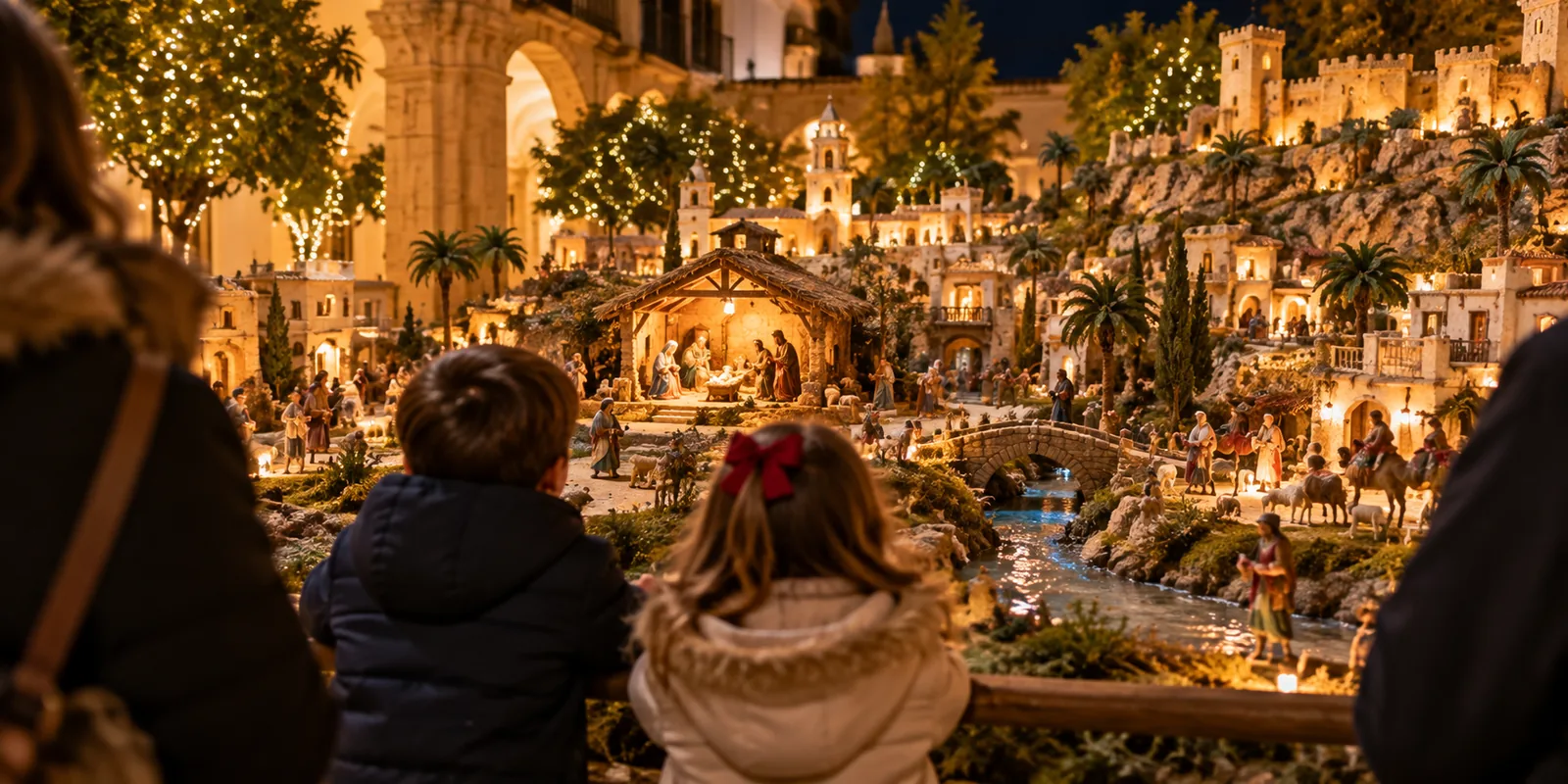
A belén is not the crib set on a mantelpiece. The one in Málaga town hall covers 150 square metres with more than 400 figures, the cathedral one covers 68, and the city's own list runs to 74 addresses with published opening hours. Only 2 of them ask for money, and both call it a donation. Nothing needs booking, and the town hall display opens 10:00 to 14:00 and 17:00 to 21:00.
Access here is closed by default and opened by exception, which is the opposite of what most visitors expect. Bars admit dogs only with a licence and a sticker on the door, ordinary beaches not at all, and the city bus stops at 10 kilos while the commuter train has no weight limit whatsoever.
The Costa del Sol sells skiing and sunbathing on the same day, and the timetable is what decides whether it works. The resort sits 31 kilometres from Granada, the bus up takes about 45 minutes from the coach station, the last one down leaves at 6.30pm and out of season there is a single departure, at 9am.
Travelling alone in Málaga is settled by timetables rather than by advice. The airport train stops running from 00.54 to 06.44, kitchens in the centre close between 10pm and midnight, and the metro shuts at 11pm on weekdays. On the safety question there is an actual figure, 21.4 thefts per 1,000 residents.
Twelve municipalities in Málaga province are declared tourist zones, and eleven share the same two windows: Easter and 1 June to 30 September. Torremolinos is the one exception, adding 21 December to 7 January, so at Christmas your resort may trade freely while the city you visit does not.
Africa looks close from the Costa del Sol and the trip is longer than the map suggests. No ferry sails from Málaga at all, so the day starts on a coach across the province, and the document that stops people boarding is the passport: a national ID card does not get you into Morocco, and validity has to run beyond six months.
Torremolinos has an old town above the beach and its two landmarks are the two you cannot walk into. The Torre Pimentel, from around 1300 and 12 metres tall, is closed inside, and the free Casa de los Navajas of 1925 is marked temporarily closed on one municipal page while another lists it open Wednesday to Sunday.
Torrox sells itself on the best climate in Europe, and the phrase is signed by the town hall itself rather than by any weather service. The other thing to know before booking is that Torrox is two separate places: 9 kilometres of coast with 7 beaches, and a Moorish hill village several kilometres inland.
This beach carries two names and two widths. Official sources list it as El Chanquete or El Dedo, and while both agree on 550 metres of length, the city says 25 metres wide and spain.info says 20. It is one of only 3 beaches in Málaga with staffed assisted bathing, capped at 9 people a session.
Two official sources agree that El Palo runs 1,200 metres by 25, and the beach directories that fill the first page of results say 30. That five-metre gap is 6,000 square metres of sand. It holds a Blue Flag, its accessible bathing point is unstaffed, and buses 3 and 11 reach it.
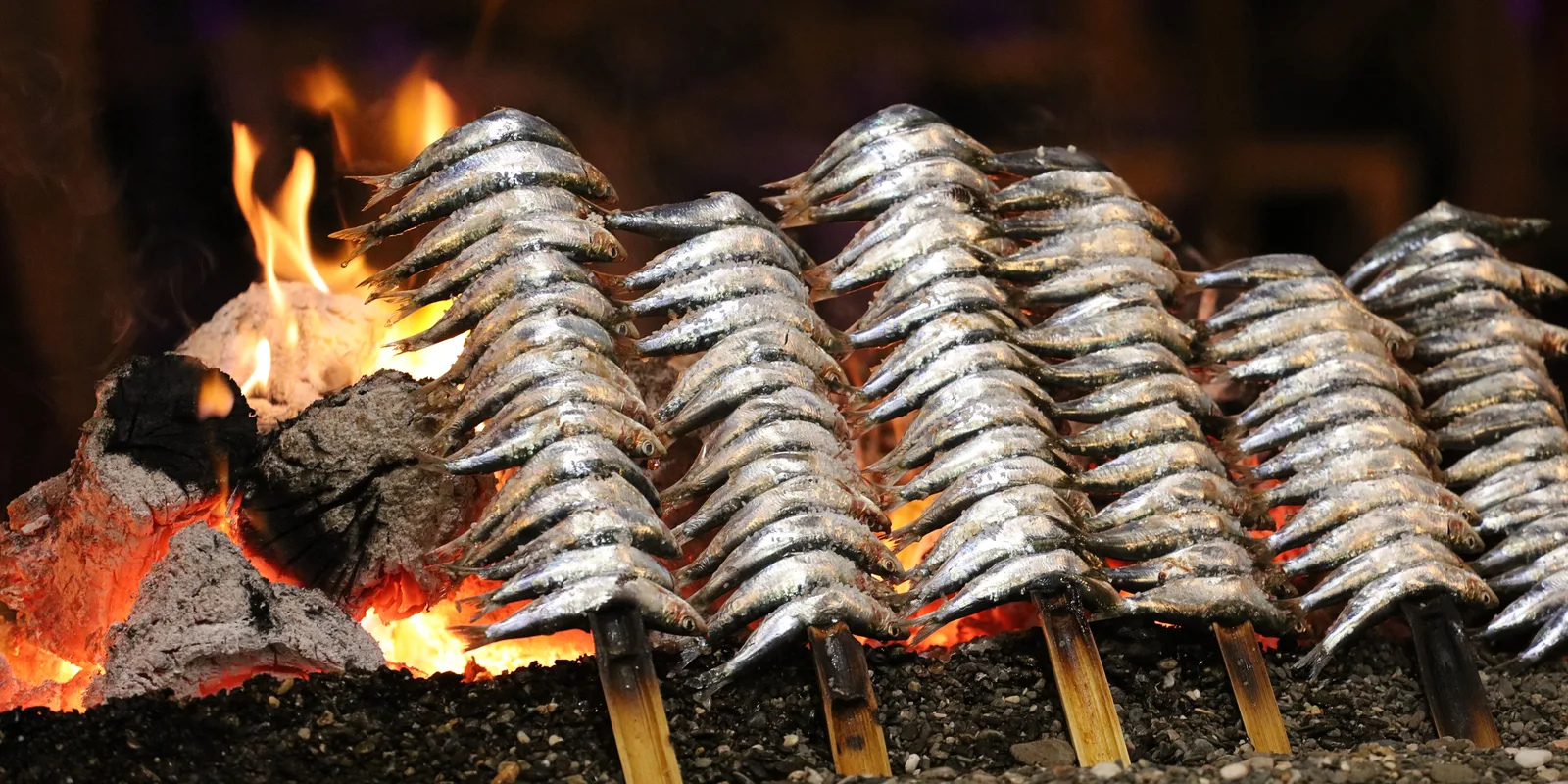
The Pedregalejo seafront has been a building site since October 2025, on a 5.7 million euro rebuild due to finish in August 2026, and Miguelito el Cariñoso, open since 1975, shut rather than trade through it. El Merlo still posts the sardine espeto at 2 euros and opens 11am to 11.30pm daily.
Three companies run this line and they do not take the same time, with roughly 26 minutes between the fastest and the slowest. The cheapest, from 9 euros, is also the slowest at 2 h 56 min, so the saving costs you roughly half an hour on the way down and another half on the way back, on a line where the fastest run takes 2 h 30.
El Cachalote opens Wednesday to Saturday from 11.30am to 11.30pm and shuts Mondays and Tuesdays; El Merlo publishes a summer timetable and nothing else. Which chiringuitos can stay standing in January is set by their title over the sand, not by the weather. No lifeguards patrol any beach from October to Easter.
The port shuttle in Málaga runs from the ship to the terminal, not into town, and the operator makes it conditional on the cruise line. None of the 3 terminals keeps calendar hours: they open for the length of the call. The airport is 12 km away, María Zambrano station 1.3 km, and the free Wi-Fi is described as terminal-wide on one page and as 30 minutes on another.
Free means the booking, not the walk. The 2 Málaga operators compared publish what people hand over at the end, a recommended minimum of 10 euros and a declared average of 10 to 15. Neither goes inside a monument, so the Alcazaba is 7 euros on top and the cathedral 10, about 27 euros for the day.
Leaving a board or a kayak on the sand outside the marked area is a serious offence in Málaga, fined at 300 to 3,000 euros. The 200 metres of water the beach byelaw reserves for swimmers, and the 50 metres along the rest of the coast, are closed to any floating craft whatever moves it, so you enter and leave through marked channels at 3 knots.
The two station left-luggage points in Málaga publish no tariff at all, while the booking platforms that fill the first page publish everything. Radical Storage charges 3.40 euros a bag a day with a 10,000 euro guarantee; LuggageHero starts at 1 euro an hour plus a 1.60 fee, guaranteed to 500.
None of the 3 hotel rooftops checked publishes a price, a minimum spend or a booking rule, and only 1 gives a closing day, Mondays. The single written condition is that admission for non-guests depends on capacity. The free Gibralfaro viewpoint sits at 130 metres against the cathedral's 84.
Booking is compulsory and the tour replaces a meal rather than topping one up: enough food for a lunch, or a dinner. Expect 3 stops, 6 tapas, a wine tasting and 1 drink per stop, or more than 10 local products on the market route. Free cancellation runs 48 hours with one operator and 24 with the other.
The Picasso Museum does not close on Mondays. Its own site says open every day, 10am to 7pm. The one that shuts midweek is the Centre Pompidou, on Tuesdays. Of 15 places checked, 8 open and 7 close, the Jorge Rando closes on Sundays instead, and the Folk Arts museum is free Monday mornings.
Lighting a fire on the sand is a serious offence fined €300 to €3,000, and taking a dog onto a beach runs €75 to €500. The rest cost the day rather than money: no lifeguard from October to Easter, no train to Marbella or Ronda, the Alcazaba at €7 and not €3.50, and the cathedral rooftop suspended.
Antequera's tourist board lists its traditional restaurants in English, and exactly 2 of them publish a price. Both are catering schools: La Fábrica at 15 euros for the daily menu, served to 4.30pm, and El Henchidero at 18 euros a head, open only Wednesdays and Thursdays from October to June.
One old-town house publishes a bread, olive oil and appetiser charge of 3.50 euros before you order anything, on a carte where mains run 29 to 38 euros. Two doors down the same street, Marbella Patio publishes prawns at 15.50 and paella at 20.50. Both figures checked on 3 September 2026.
Of six Ronda restaurants with a website of their own, exactly one publishes what it charges: Bardal, at 195 euros for the tasting menu and 230 for the long one. Dinner is also out of reach on a day trip, because the last coach back to Málaga leaves at 6.35pm and dinner seating starts at 8pm.
The University of Málaga runs the canteens on the Teatinos campus through Comedores Escolares Claros and not one of its three cafeterias shows a price. Hours, yes: 7:30 to 19:30 at Health Sciences and 8:00 to 20:00 at the Social Studies complex, with the cost settled at the till. Off campus the only figure anyone prints is Casuego's set lunch, 14.50 euros.
The most flexible ticket is dearer than the ordinary one, at 40 euros online against 37 euros, a 3 euro premium that buys nothing once your own date is fixed. The gate price is 39 euros and the young person’s card 31.20, and only one of the two set packs is genuinely worth buying.
Churros are charged one by one at 0.60 euros each, and never by the plate, so two tables ordering the same breakfast end up paying different amounts. A cup of chocolate is 1.95 euros, a small one 1.60 and a coffee 1.60 euros, on the card the house publishes for all 3 of its premises.
One of them starts at the front door of the city hall and finishes on a beach 26 kilometres later, after 8 hours and 30 minutes of walking it. The other two are the PR-A 374, 21.9 kilometres from Peñón del Cuervo to Olías, and the PR-A 114, 17,220 metres, much of that on asphalt.
Booking ahead saves nothing at two of these four attractions, and at the one that discounts most you have to buy the day before to get it. Sea Life Benalmádena takes 2.50 euros off and Aqualand Torremolinos 2 euros, while Crocodile Park and Monowa charge the same online as at the gate.
Booking ahead saves nothing here, because the gate charges exactly the same, and of the three ticketed parks on this coast it is the only one that works that way. Adults pay 18.50 euros, children of 5 to 10 and over-65s 13.50, and the mini ticket for ages 3 to 4 costs 10.50 euros.
Andalusian law requires the universal ILCOR sign above every unit and the instructions displayed beside it, which is what makes one usable without any Spanish. There are 605 published, of which 252 are municipal and 95 fitted to city buses, and only 120 declare 24-hour availability.
Every enclosure split into two areas also has a water point, and none has the split without the water, which turns 11 of the 23 into the well-equipped tier. They total 54,164 square metres across the 20 that state a size, 10 publish no opening hours and none of the 23 records step-free access.
Three quarters of the city’s public drinking fountains sit inside the middle third of its width, which is good news downtown and bad news at either end. There are 350 of them, published with a name and coordinates each, with 265 in the centre against 50 west and 35 east, over 22.1 kilometres.
Three municipal schemes cover Malaga city, Fuengirola and Rincón de la Victoria, and Torremolinos, Benalmádena and Marbella have none at all. ACEMA, the Malaga coeliac association, runs all 3 of them, and the badge stops at the municipal boundary where most visitors sleep.
The walking tour thrown in with the ticket takes in twelve landmarks by name and has no published departure time, which is the first thing to sort out on arrival. There are 3 lines and 28 stops, the Blue only runs to 2pm and the Green one for the botanical garden does not run on Mondays.
Daily lifeguard cover runs from 15 June to 15 September and then drops back to weekends only, while the bathing season itself continues to 30 September. Two weeks separate the brochure from what is on the sand, and Crocodile Park moves its closing from 6pm to 5pm on the 1st.
The midday sitting opens around 1pm at the venues that publish a timetable and it runs to either 3.30pm or 5pm, depending on the house. Evening service starts between 7pm and 8pm and kitchens stop between 10pm and midnight, and three of the four checked here never close in between.
Malaga city has four one-star restaurants, and their tasting menus run from 135 euros at Kaleja to 190 at Blossom before any wine. Booking commits money up front: a 50-euro non-refundable deposit at José Carlos García, a 100-euro no-show charge at Kaleja, and Blossom answers by email only.
All 11 municipal covered markets that publish hours run Monday to Saturday mornings and close on Sundays, while the street markets run to 3pm instead of 2pm. Sunday does not switch the city off, it moves it, and the Antigua Casa de Guardia shuts at 3pm too, after opening at 11am.
The small orange buoys 100 metres out are not the edge of the bathing zone but a marked lane, with a compulsory direction to swim in. Each lane runs 600 metres at La Misericordia and La Malagueta, with 5 buoys of 60 centimetres every 150 metres, inside the 200-metre strip closed to boats.
A coastal town can run a longer pharmacy timetable in July than the city ever can, and the reason sits inside that same 1997 rule. Cover splits into two rotas with different lists, daytime care ending at 10pm and a night rota running to 9.30am, at 1 pharmacy per 80,000 residents.
Opening hours run from 10.30 in the morning to 8.30 at night, and yet there are only 8 ways into the building on any given day of the week. Tickets cost 10 euros for adults and 5 euros for under-18s, and it shuts on Sundays and on match days, with a 3-hour gap after the 1.30 slot.
Both seafront legs are signed in each direction from the same beach, which turns two one-way distances into two very different out-and-back runs. The eastern leg is 9.7 kilometres and the western 7.5, from La Malagueta, plus the Teatinos lane at 8.70 kilometres as a closed circuit.
Spain’s national directory sorts venues into 4 labels and shows them side by side, and two of them mean you can order blind while the other two mean a conversation. The Unión Vegetariana Española carries 85 entries under the strictest label, and the distinction lives in the individual listing.
Four venues, four different last orders, from ten at night to midnight, and the city’s most famous old bar serves no dinner at all. Kitchens that publish a timetable begin evening service between 7pm and 8pm, and dining rooms fill from about 9pm, later than northern Europe expects.
Holding the denomination does not mean opening the door, and one winery states plainly in the official directory that it runs no wine tourism at all. Bodegas Bentomiz publishes 12 euros for a guided visit with a four-wine tasting, dropping to 7 euros if you stay for lunch, the only figure there.
Twelve barrel wines named on the wall and not one of them priced anywhere you can check before walking in, at Alameda Principal 18 since the year 1840. The tab is chalked on the bar top as you drink it, and it opens 10:00 to 22:00 Monday to Thursday but only 11:00 to 15:00 on Sunday.
The closing time shifts five times across the year and twice it depends on the day of the week, so a Thursday and a Friday in September are different. Opening is always 10am and general admission is 13.50 euros, and last entry runs 30 minutes before closing, whatever the sign says.
Every price advertised here is a starting price that moves with the season, and two very different products end up sharing one name. Nine euros a head buys a seat on a catamaran holding 100 to 125 passengers, while 450 euros hires the whole boat for two hours and about twelve people.
El Pimpi is Malaga's famous bodega on Calle Granada, with courtyards, signed barrels and balconies facing the Alcazaba. Go for a glass of moscatel at 2.90 euros and a round of tapas at 5.50 to 7, not for a quiet dinner: it scores 3.8 out of 5 from over 17,000 TripAdvisor reviews.
Swimwear is compulsory, underwear is not allowed in its place and the towel is theirs rather than yours, at Plaza de los Mártires 5. Every session runs to the same fixed 90 minutes, whichever one you book, so what changes is only the split, from 75 minutes of bath and 15 of massage.
The cellar holds more than 600 bottles but only about 50 of them will ever reach a glass, and that second number is the one that matters. It stands at Calle Beatas 43, and across July and August it serves evenings only from Sunday to Thursday, with bread and service at 1.90 euros.
Booking on your phone in the entrance queue will not get you the cheaper fare, because the saving applies only to visits from the following day. Adults pay 18.50 euros booked ahead against 21 euros at the gate, the aquarium runs to ten at night, and virtual reality adds 5.00 euros.
Prices run from 30 to 75 euros by size, with the decoration charged on top and 48 hours of notice as the usual minimum. What decides is the serving, which falls from 4,00 euros a head on a cake for 8 down to 2,14 on one for 30 to 35, because the shops price by raciones and not by diameter.
Collection is the default here and delivery the exception, and several shops topping the search results bake in Valencia or Granada. LaMaruja collects at Calle Hermes 10 in Teatinos, FreeBakery works Monday to Friday only, and prices run from about 30 to 75 euros with 48 hours notice.
Seven appear on the council list and they are not equivalent: 5 bake in dedicated workshops where wheat flour never enters, and the rest share one. FreeBakery, El Pastelero Real, Despacho de Sabores, Nata & Chocolate and Piquito Bakery are the five, and the last of them bakes in Ronda.
One council page describes this beach twice and gives it a different size each time, 450 metres by 30 in the text and 2,250 by 50 in the table. The larger pair is identical to the figures published for the neighbouring Campo de Golf-San Julián, and city bus line 16 ends here, 9 kilometres out.
Only two of the city’s 15 beaches are reachable on foot from the historic centre, and this is the narrower of the pair at 25 metres wide. It runs 1,000 metres long and takes roughly 25 minutes from the cathedral, its council file rates the crowding as high, and the sand is medium grain.
Spain’s Epiphany cake is baked to order here, and several Málaga workshops sell out days before 6 January, so the counter on the 5th holds only leftovers. La Duquesa and Seixis bake only to order, with no counter stock, and Seixis publishes 29,90 euros, one of the few prices anywhere. Pastelería Daza, on Correo de Andalucía 4, sells out several days early.
The council file calls it very busy, which is unusual for the western stretch, and credits the wide promenade for it. It runs 650 metres by 50 wide, the second widest in the city after Sacaba, which reaches 60 metres, and sits 4 kilometres from the centre, with play areas on file.
Spain’s Lent dessert splits into two schools here, bread and enriched dough, and it is sold only in the weeks running up to Holy Week. Confitería Aparicio is credited with up to 80,000 units a season and drops the bread entirely, finishing them in muscatel from the Montes de Málaga.
Four sweets fill the counters here and three of them only appear in season, so pointing at a tray gets you further than reading a menu does. The torta loca is puff pastry with custard, orange glaze and a cherry, and Obrador Tejeros has made it since 1975, selling it wrapped at 25 euros.
You cannot walk in, because the tour runs by prior booking only, bars anyone under 18, and the brewery sits in an industrial estate 5 km from the old town. The guided route lasts 90 minutes across more than 3,700 square metres at Avenida de Velázquez 215, and the price is not published.
Book three to six months out, pay half of it up front, and expect the workshop to assemble the cake at the venue itself, on the day. Almost no bakery here publishes a wedding price, and the reference for Málaga is around 338 euros, near 3 euros a head, with workshops starting from 50.
Half the hotels sold as Malaga beachfront sit in Torremolinos or Fuengirola, which are separate towns on the C1 line. The city has three seafronts of its own, and only La Malagueta puts the old town 15 minutes away on foot, while Pedregalejo and El Palo run on bus lines 3 and 11.
The flavour called Málaga is raisins steeped in local sweet wine, not the rum-and-raisin sold under that name abroad. Eccolo Gelato, on Calle San Juan 32, tops the specialist score with 92 out of 100 and a 5.0 average, while Heladería Inma wins on weight of opinion with 8,955 reviews.
During the Feria, from 15 to 21 August, only about 3 per cent of central accommodation was still free, and Maundy Thursday rooms reach 400 euros a night. Moving your dates saves more than moving neighbourhood, and Huelin, El Perchel and El Palo lower the price without leaving the city.
At 2,250 metres it is nearly double La Malagueta, and 50 metres wide at its widest point, yet the council record rates it low occupancy. It calls the beach semi-urban, notes the surrounding vegetation, ticks the nudist box and lists room for barbecues, 11 kilometres west of the centre.
Casa Aranda has traded since 2 February 1932 on Calle Herrería del Rey, beside the Atarazanas market, and it shuts at midday. Here they are called tejeringos, dipped in thick drinking chocolate, and there are only two windows for them, breakfast and the merienda from about 18:00.
Seven addresses inside the pedestrian centre, and three of the city’s nine top-rated shops are among them. Casa Mira holds Marqués de Larios 5 and Císter 8, Yummy sits on Molina Lario 6 beside the cathedral and Eccolo Gelato on San Juan 32, with Freskitto on San Agustín 23 and Calle Granada 55.
Almost every visitor lands in El Perchel and leaves within ten minutes, because it holds María Zambrano station, the bus station and both metro lines. It is two neighbourhoods, Perchel Norte and Perchel Sur, with 5,769 residents across 33.5 hectares, and two brotherhood museums that publish no opening time.
No menu and no order. Waiters shout each dish across the tables, you claim it by raising a hand, and the bill is the count of the empty plates. It sits at Avenida Salvador Allende 340, opens every day of the year with the kitchen running 12:30 to 23:30 and takes no bookings under 20 people.
Dinner kitchens open from 20:30 and no car reaches the door across much of the pedestrian old town, and both facts push a family somewhere else entirely. La Malagueta has sand at the doorstep, vehicle access and the old town 15 minutes away, and Huelin is cheaper, at 35 minutes on foot.
Three of the best-known fry houses sit on the same Pedregalejo pavement, at numbers 13, 17 and 49, with the tables facing the sand. They are Morata, El Cabra and El Caleño, close enough to compare on foot, and further east in El Palo are Hermanos Alba and El Tintero, at Salvador Allende 340.
The climb from Plaza de la Merced through the Puerta Oscura gardens is twenty unbroken minutes uphill, with no flat stretch anywhere to recover on. EMT bus line 35 ends at the top and costs 1.40 euros, or 0.50 with a transport card, and entry is 7.00 euros, free every Sunday from 14:00.
Ten shops sit on the city coeliac list and nine on its quality ranking, and only Eccolo Gelato, at Calle San Juan 32, appears on both. A gluten-free cone costs 3.30 euros at Levi Angelo, on Tomás Heredia 11, and 2.90 at Nitte Gelato Soho, and both label sin gluten and sin lactosa separately.
Spanish horchata is pressed from tiger nuts, not rice, so it tastes nothing like the Mexican drink that shares the name. There are eighteen slush flavours across the two longest menus in the city, starting at 2.90 euros, and blanco y negro, coffee slush under ice cream, costs 4.00.
Antigua Casa de Guardia opened in 1840 on Alameda Principal 18 and still chalks your bill onto the wooden counter, pouring straight from the barrel. Casa Aranda dates from 1932 and El Pimpi from 1971, in an eighteenth-century building on Calle Granada 62, and Bar Orellana, from 1938, has closed.
Every legal holiday flat in Andalusia carries a VUT code that has to appear in the listing itself, and that decides more than the nightly rate ever does. A hotel wins under 3 nights and an apartment from 5 nights, or from 3 people, and either way Andalusia charges no tourist tax.
No Málaga beach is called Huelin, though the neighbourhood faces the sea across the Carretera de Cádiz district. What it has is 8,168 residents in 28.9 hectares, a 162-stall working market and no entries at all in the municipal monument inventory, and five council facilities with no reduced-mobility access.
Two kilometres of sand, almost double La Malagueta, and 4 kilometres out from the old town, at 30 metres of average width. It is one of only three city beaches certified for universal accessibility, and it holds the largest assisted-bathing setup in the whole municipality, with 6 chairs.
The council maps 419 neighbourhoods across 11 districts and 50 of them have no registered residents at all, only parks and industrial estates. Just 369 of the 419 have anyone living there, and the name on most rental listings is not on that map, which is why two neighbours differ.
Sixty metres of average width, more than any other beach in the whole city, and 750 metres long between the Guadalhorce river mouth and La Misericordia. That neighbour runs 2,000 metres long but only 30 wide, and the council record calls Sacaba one of the quietest on the western side.
The sun sets at 21:41 on 26 June and at 18:01 on 3 December, on the 2026 tables of Spain’s Observatorio Astronómico Nacional, a swing of 3 hours and 40 minutes. For 30 days in October the Alcazaba is still open when it happens, and in every other month of the year it is already shut.
Four wine bars in the city hold the official wine-route accreditation and the oldest bodega in Malaga is not among them. Antigua Casa de Guardia has poured sweet wine from the barrel at Alameda Principal 18 since 1840, and Los Patios de Beatas lists more than 600 references on Calle Beatas 43.
A copa is a Spanish sundae ordered by name and not by ingredients, so the Che costs 5.00 euros, the Carlitos 5.20 and the Pijama 10.00. Helados Cremades sells cones from 2.90 euros at Cenacheros 34 and Salvador Allende 256, and Helados Lauri has been open on the same seafront since 1952.
Listed under the Ramsar convention on 5 June 2009, on top of Nature Reserve status held since 1989, and ringed by a reed belt that keeps you off the shoreline. One lagoon holds water all year and the other swings with the season, with a core reserve of ten hectares inside a perimeter of 204.
The farmers’ market here opens on Sundays and the direct M-348 bus from Málaga runs Monday to Friday, so without a car you have to choose between the two. The M-591 to Fuengirola beach exists only from 23 June to 3 September, and the town holds heritage listings from 1505 and from 2008.
Three separate authorities run Córdoba’s three great monuments, and not one of them publishes another’s timetable anywhere at all. Monday closes both Madinat al-Zahra and the Alcázar, and Sunday removes the free morning hour at the Mosque-Cathedral, which otherwise runs 8.30 to 9.30.
Torremolinos sells 5,540,120 hotel nights across twelve months, ahead of Benalmádena on 3,810,921 nights and Malaga city on 3,777,147. Malaga city leads on arrivals instead, with 1,789,524 guests in the same period, but it holds each of them barely 2.11 nights against 4.85 in Torremolinos.
Marbella employs 6,760 hotel staff, more than any other resort here, and fills 59.79 per cent of its beds, nearly twenty points below Benalmádena on 80.12. The average hotel in Benalmádena runs 206.5 rooms against 34.9 in Nerja, and Torremolinos holds 22,650 beds across 74 hotels.
A relict fir from a colder world, protected on 0.19 hectares and sitting inside 4 further protection figures, among them a national park. The Junta de Andalucía classes it as biotic rather than geological and gives no height in metres for it at all, only an age of 350 to 550 years.
The council lists the same address twice, with different hours and different phone numbers, and one version adds that it closes for the whole of August. One record gives 18 hours a week, Wednesday to Friday, from four to nine, and inside are his books and his neighbours’ postcards.
Nerja sells 34.2 per cent of its registered nights outside hotels and Torremolinos only 11.8 per cent, along that very same stretch of coast. Malaga city sits between them, on 27.7 per cent and 1,444,461 apartment nights in twelve months, which is two different models side by side.
One of only 2 city beaches that need no transport at all from the historic centre, at under 20 minutes on foot from the cathedral. The council logs it at roughly 1.2 kilometres long by 45 metres of average width, with medium-grain sand, calm water and a Blue Flag, and the hospital 2 km away.
No hides, no trails and no opening hours are published for it at all, only its protection status and its species, across 176.15 hectares. The lagoon itself covers 22.7 hectares of shallow brackish water between Alameda and Humilladero, and the flamingos come to eat rather than breed.
Six fixed monitors cover the whole Malaga and Costa del Sol zone and five of them stand inside the city, with the sixth out at Marbella. In 2024 the zone breached no legal limit for any of twelve regulated pollutants, yet the daily index recorded 0 days in the top category out of 366.
One country supplies 6,149,697 of the passengers passing through Malaga airport in a year, around 23 per cent of the total and roughly three times the second market. Germany followed on 2,012,019, the Netherlands on 1,631,525 and Italy on 1,397,672, out of 26,760,549 passengers in all.
The city keeps its own rent index in euros per square metre, built from deposit registries rather than from listings, and it runs down to neighbourhood level. A 70-square-metre flat works out at roughly 598 euros a month in Centro and 376 in Puerto de la Torre, the two extremes of the city.
The Sierra de las Nieves closes vehicle access from 1 June to 14 October across 22,979.76 hectares and 8 municipalities, and the park stays walkable. The Río Chíllar gorge at Nerja has been shut since August 2023 with no reopening date, and the Montes ban fires from 1 June to 15 October.
A business park in Campanillas is credited with 34.97 per cent of the city economy, on a study that runs on 2023 data and estimates the denominator it divides by. The park itself counts 29,018 people in 719 companies billing 4,896 million euros, while the impact study claims 70,968 jobs across Andalusia.
The Spanish domestic market peaked in 2008 and is smaller today, falling from 2,408,701 hotel guests in that year to 2,135,378 in 2025. Foreign arrivals rose from 2,509,095 to 4,166,296 over the same span, taking them from 51 per cent of the provincial total to about 66 per cent.
A 5 euro ticket inside an 18th-century palace on Plaza de los Viñeros, with 3 euros reduced and 1 euro more for an extra tasting of the wines. It opens Monday to Friday from 10:00 to 17:00 and on Saturday only from 10:00 to 14:00, with 400 lithographs on the walls, and two closing days that move.
Twenty people per slot, a portable lamp instead of any electric wiring, and a booking that has to be made before you set off for Benaoján. The adult ticket costs 15 euros from age 11 and requests are taken between 10:00 and 13:00, and 500 metres and 9 chambers are walked by lamplight.
A cave east of Málaga opened to visitors after 30,000 years and takes ten people at a time, twice a day, which is twenty places in a whole day. It closes Tuesdays and Wednesdays except on public holidays, the tour runs an hour and a half to two hours, and nobody under 10 may join it.
The council service charter grades every stretch of sand, and Los Álamos is the only one of the four graded at medium occupancy rather than high. It is also the widest at 60 metres, against 40 at La Carihuela and El Bajondillo, and the only semi-urban one, out of 6,247 metres in all.
Twelve localities make up this municipality and eight of them sit on the coast, but the one that supplies the name is not among those eight at all. Vélez-Málaga itself sits inland, alongside Triana, Trapiche and Cájiz, while most visitors stay in Torre del Mar, on the sand.
Foreign visitors peak in May and in October, not in August, and the province’s own official figures show it plainly enough. There were 473,050 guests resident abroad in May 2026 and 454,770 in October 2025, both above the 431,017 of August, the fullest month of all at 722,501 guests.
A black pudding day on the last Sunday of April, a wine night on 15 August and a chestnut fair in late October, and none of them designed for beach weather. Only 2 of the 8 festivals the Junta lists here fall in high summer, and six months of the year carry none at all on that list.
Only one of the three parts has a train station, and it is neither the old town on the hill nor the marina down at the water. Benalmádena splits across close to 27 square kilometres, with the Pueblo around 300 metres up and more than 9 kilometres of coast, and only Arroyo de la Miel is on the C-1.
Six separate events crowd into August here, starting with the village fair on the first weekend, four days in the old town. The two dates no other village can hold are 28 February and 5 July, in the birthplace of Blas Infante, and April brings a route of kid goat and Payoya cheese.
The protected olive oil is made nowhere near the coast, the bread must be packed where it is baked, and the raisins may only dry in the sun. Six products sit under three different figures, from the 19 inland municipalities of the Antequera oil to a kid goat with only a guarantee mark.
Free to enter and right in the old town, except that the regional government publishes two different timetables for the same site and two booking numbers. One sheet gives Saturdays at 12.30 in groups of up to 14, closed all August, and the other gives 6 slots across Friday, Saturday and Sunday.
Two archaeological sites hold the highest heritage listing here, Los Castillejos de Alcorrín from the 9th century BC and the Roman surroundings of the Castillo de la Duquesa. The council puts the village 97 kilometres from the capital, and its 18,818 residents triple every single summer.
Nine and a half hours on a Tuesday and five on a Sunday, because the opening times here run against the weekend at exactly the same ticket price. Tuesday to Friday runs 9.30am to 7pm, Mondays and Saturdays in two blocks, and Sundays 10am to 3pm, with entry at 4.50 euros and 3 euros reduced.
A cave the council calls one of only three of marine origin known in the world, and it can be reached on a weekday morning for nothing at all. The free hour runs from opening, 10:00 in winter and 10:30 in summer, with booking and a cap of 25 people, against 6 euros the rest of the day.
The tower everyone photographs was rebuilt at the start of the 1970s, and the oldest walls still standing date from the 13th and 15th centuries. The heritage department of Vélez-Málaga says so itself, and the enclosure covers about 1,500 square metres at 80 metres up, over a town of 12 settlements.
Twenty visitors every quarter of an hour walk over a third-century floor that shows a satyr and a Theban princess dancing, under a modern apartment block. Mondays are free with an individual booking and no guide, and otherwise adults of 15 to 64 pay six euros and residents three.
Both visitor centres sit inside Cádiz province, and the one Malaga trail with no strings attached is La Laguna del Moral, in Cortes de la Frontera. La Sauceda needs prior authorisation from the natural park and Garganta Pulga carries a temporary closure notice on its regional sheet.
Fifty absolute datings put people inside this cave more than 65,000 years ago, and the Palaeolithic art itself at more than 50,000 years. Visits are guided only, in groups of 15 booked in advance through Giglón or by phone, because there is no ticket desk at the mouth of the cave.
Around the year 917 someone hollowed a church out of a rock face in inland Malaga, and today a guide walks you into it every hour. It opens Tuesday to Sunday from 10:00 to 15:00, at 3 euros standard and 2 euros for pensioners and ages 5 to 12, on the same phone number as the cave.
Two very different senders publish the rules here, the regional government and the companies selling the descent, and each of them covers different things. The official depth is more than 100 metres and the sellers raise it to 200 metres, over 218,766 square metres protected since 2003.
Malaga province holds 4 lagoon nature reserves and almost every visitor knows only one of them, the one with the flamingos. Here the count itself is disputed, because one official page names six lagoons and another lists five, across 1,338.21 hectares of which 84.86 are core reserve.
Three waymarked paths run inside the protected area with no ticket and no booking of any kind: Gaitanejo, Haza del Río and Los Embalses. Gaitanejo carries a closure notice dated 12 February 2026, with no reopening date given, and Haza del Río runs 4,361 metres in 1 hour 15 minutes.
Entry is free permanently, with no age brackets and no time slots at all, which puts it among the three Malaga museums that never charge at any hour. Summer moves the afternoon session an hour later, to 5pm and 9pm, and the council listing and the museum disagree about Saturdays.
Every visit is guided and the last one leaves at 6pm, an hour before the doors close at 7pm, which is the detail the council listing leaves out. The tour is included in the ticket, lasts about an hour and runs in 4 languages, and only groups of more than 10 people need to book ahead.
Only one of the twelve has a named architect, Puerta Oscura, designed in 1937 by Fernando Guerrero-Strachan, and only two of them publish a size, 3.5 hectares and 3.3. One of the twelve earned its place through a cage of monkeys, and nearly all of them are free to walk into at any hour.
Meat from a kid of the Malagueña dairy breed, taken out of the milking cycle at about one month and 8 kilos liveweight, under a guarantee mark and not a designation of origin. The Asociación Española de Criadores de la Cabra Malagueña writes the rules itself: parents entered in the Libro Genealógico, a diet of milk only
Andalusia protects singular objects as well as territories, and the smallest of these five covers just 623 square metres of hillside at Igualeja. Decreto 383/2011 of 30 December added the Cueva del Gato at Benaoján, 8,788 square metres, and the Fuente de los Cien Caños at 82,536.
The council names the palms one by one but never gives a species total, and the ground itself was still water until the end of the 19th century. The garden covers 3.3 hectares along the Paseo del Parque, free and with no published hours, one of only 2 of the 12 that publish a size.
A 17th-century inn now holds eighteen rooms of pottery, ironwork and printing, for 4 euros, or 2 euros reduced and for groups of ten people. The foundation that runs it publishes free entry on Mondays from 10am to 2pm, while the regional agenda places it on Tuesdays from 1pm to 5pm.
The protected area covers 1,913 hectares, 384 on land and 1,529 at sea, across Nerja and Almuñécar. Boats stay 200 metres off the beaches, divers need permission in two zones, and in summer the car does not reach the sand at all, because a shuttle runs down to El Cañuelo instead.
The council sheet settles the three questions the CAC closure left open: free access, no conditions, and Tuesday to Sunday from 10:00 to 20:00. The show hanging now, Ayer. Colección 1940-1990, opened in April 2025 and comes down on 30 April 2027, with more than 70 Spanish artists.
Four layers of protection stack over 471 hectares here, and the regional government describes the vulture colony in two different ways at once. One sheet calls it the most important griffon vulture nucleus in the province and another one of only three breeding nuclei, over 1,303 metres of trail.
Bats are the reason a second, European protection was carved out of a hill in northern Malaga, and its official description has never been written. The natural monument covers 108.61 hectares since 2003 and the conservation site 23.67 since 2015, with a gallery of around 200 metres inside.
Canyoning is the single activity here that needs a permit, while hiking, mountaineering, paragliding and diving off Maro are all listed without one. Of the 33 public-use facilities, 19 of them sit in Granada, and the two information points are both on the far side of the provincial line.
The three protected styles are three clocks, 3 days, 20 days and 90 days before the jar is sealed, and only the cured one goes into the fermenter whole. The variety carries about 103 mg/kg of oleuropein, so it never meets caustic soda, and 48 hours in salted water takes the bitterness out.
Three kinds of dune and the Torre de los Ladrones sit inside a perimeter of 192,715 square metres, where building anything is incompatible with the protection. The 2003 decree listed 12 natural monuments and 3 of them fall in Malaga province, all three geological, and the other two are inland.
Children under 3 years or under one metre tall travel free. General admission starts at 17.90 euros online and 21.90 at the desk, the reduced rate at 12.90 and 16.90, and a one-way ride at 10.90. The 23.90 general rate exists only as the base that the promotions are calculated from.
The adult ticket is 29.50 euros, one less booked 24 hours ahead, and it admits you only once, so lunch outside and back in does not work. Children aged 3 to 9 and over-65s pay 23 euros, and the C-1 train leaves you 600 metres from the gate, with no changes at all from the airport.
Tickets cost 3.50 euros and are sold only at the gate, on a site that shuts every Monday and runs four different seasonal timetables. Children and pensioners pay 2.50 euros, and the monument is visited from the outside only, because a doctor built it with two bricklayers from 1987.
Seventy-four painted façades, a 5 euro orchid house that shuts on Mondays and an archaeological museum closed for refurbishment. The council counted the murals on 11 February 2025, on a programme begun in September 2012, and the poem and sculpture routes are free and always open.
Spanish taxis still cannot drive in, and no unauthorised private car is allowed inside the nature reserve, so the last stretch is done on foot or by cable car. Reserve tickets cost 30 pounds per adult per day and 22 pounds per child, and routine border checks ended on 15 July 2026.
Five hides, two waymarked trails and a protected wetland of 67 hectares, all of it sitting between the airport runway and an industrial estate. Cycling is allowed only for the first 220 metres, and the leaflet also bans motor vehicles, fires and drones, with dogs on a lead throughout.
The Junta publishes 2,065 metres on the park page and 2,068 on the sheet for the Alcázar trail, which also calls it the summit of Malaga province. All three waymarked paths are linear, five hours one way from Cortijo del Alcázar and four from Canillas de Aceituno, so double the distance.
Nine names on a single scale, running from the sólo at 100 per cent coffee to the nube at 10 per cent coffee and 90 per cent milk. The sólo corto breaks the ladder at 70 per cent coffee and no milk at all, because it measures how full the glass is, and a tenth name is a joke from 1954.
It opens on Mondays, when much of the old town museum circuit does not, and its two official pages disagree about what the ticket costs. The council lists 5 euros and 3 reduced while the museum itself publishes 6 and 4, and the published motto is Se ruega tocar, please play.
The protected rule behind Andalusia’s breakfast bap is a moisture range, between 32 and 45 per cent, and not a recipe at all. The European file writes the toaster into the paperwork rather than into local habit, and the bread comes from just two towns, Antequera and Fuente de Piedra.
A living painter hangs inside the workshop house of a 17th-century sculptor, and the two municipal pages that describe it charge different money. The council publishes 2.50 euros with the audio guide included and the museum 4 euros with it charged at 2, and both agree Sundays are free.
A ten-minute waymarked path, just 383 metres of it, reaches the only viewpoint on this 1,450-metre mountain above the Costa del Sol. The fir wood here grows on peridotite, 90 hectares split across four separate patches, inside a protected area of 1,212.79 hectares above Estepona.
Marbella council states that the city has no railway station at all and names the two nearest as Fuengirola, 27 km away, and María Zambrano, 57 km. The journey is by bus or by road, around 40 minutes from the airport, into a municipality of 116.8 square kilometres and five districts.
The Alcazaba and the collegiate church charge nothing on Tuesdays from 14:00 to 18:00, and the town museum is free every day it opens. The rest of the time the joint ticket is 8 euros, or 4 for ages 7 to 16 and pensioners, and the collegiate church itself was built with Roman ashlar.
Estepona holds no Blue Flag beach at all while its own marina does, which is what happens when the award has to be applied for by the council. The province counts 45 flagged beaches across 12 municipalities, against 143 in 48 for Andalucía, and Rincón de la Victoria has none either.
In a good season the lagoon has held 35,177 breeding pairs, the highest count since monitoring began in 1984, and in a dry year the birds do not breed at all. March and April hold the biggest concentrations, inside a nesting period that runs to July, and entry to the site is free.
Nearly half of Andalusia’s chestnut area sits in this corner of Malaga province, 5,600 hectares of roughly 12,000, on holdings that rarely exceed five. What turns copper is a crop and not a wild wood, with trees three centuries old, and the Alto Genal turns before the Bajo Genal.
El Perchel and La Trinidad sit where they do because the river marked the edge of the walled city, and they paid for it in the flood of 23 September 1907, which killed 21 people. The Agujero dam was finished in July 1924 and El Limonero went up between 1979 and 1983 downstream of it.
A prisoner walks out of jail every Holy Wednesday under a privilege dated 1759, and the paperwork still runs through four government bodies. Watching costs nothing unless you want a seat, because the Agrupación de Cofradías funds itself from the chairs, and the Legion lands on Holy Thursday.
Article 40 of the city ordinance beats the national code: a certified helmet, a minimum age of 16, one rider only and lights switched on at any hour rather than after dark. The design speed sits between 6 and 25 km/h, and motorways and travesías are off limits under national law.
Fourteen mills hold the designation and every one of them is a village cooperative, which is why no famous brand appears on the register. Only the PDO Antequera reaches Malaga province, out of twelve olive oil designations in Andalusia, and its nineteen municipalities all sit inland.
Twelve combined tickets to the Alcazaba and Gibralfaro cost 96 euros at the group rate, and nothing at all if the group turns up on a Sunday afternoon. The threshold moves with the door, from 10 people at the fortresses to 15 at the cathedral and 20 at the Antequera monument complex.
Driving access runs from 15 October to 31 May and shuts from 1 June to 14 October, the exact inverse of the season everyone books the coast for. What closes is the road, not the park, which covers 22,979.76 hectares under Law 9/2021 and holds more than half the total surface of the Spanish fir.
Three styles carry the names of places rather than schools, Montes, Almogía and Comares, so the way a panda plays tells you which part of the province it came from. They are protected as a distinct ethnological activity, and they are not flamenco, although the order notes their pre-flamenco accent. The big day is the Fiesta Mayor on 28 December in Puerto de la Torre, free to enter.
The FAO label protects the raisin and not the wine, and the certified wine route is called Ronda y Málaga, without the word Axarquía in it. The FAO dates its own sheet to 2017 and the regional government to 19 April 2018, and the ministry counts 8 municipalities against the route’s 11.
Guadalteba holds 156 cubic hectometres, Guadalhorce 126 and Conde de Guadalhorce 70, making 352 between them, and all three are free to reach. Only the Conde appears as a permitted bathing zone in the health department reports, published fortnightly from 1 June until 30 September.
Sony Pictures painted it in 2011 with more than 4,000 litres of paint, reaching the church of Santa Catalina, on condition that it went back to white. The residents voted otherwise, 149 to 36 with 4 spoiled, the Smurf figures left instead, and the village now calls itself La Aldea Azul.
The Río Chíllar at Nerja has been shut as a precaution since August 2023, with daily police checks and no reopening date, while at the Cueva del Gato the ban covers the cave mouth and not the setting. The registered spots carry fortnightly health reports from 1 June to 30 September.
The official Pueblos Blancos route takes in 19 places and every single one of them is in Cádiz province, around the Sierra de Grazalema. Malaga has excellent white villages but no declared route under that name, which is why coach trips set off from Ronda and cross without saying so.
A municipal by-law caps the donkey taxi load at 80 kilos, tightens the veterinary checks and sets hygiene standards for the stables and the ranks. It also ties the service to AEMET warnings, stopping from 14:00 to 18:00 on a yellow one, and for as long as an orange or red one lasts.
The lift into the Alcazaba covers 40 metres of height and takes 16 people, and beyond it most of the enclosure is still cobbled and ramped. Spanish law sets a floor of 5 per cent of adapted taxis and the city sits at 6.09, with the reduced fare at 3.00 euros from 33 per cent disability.
The season runs six weeks, from the Calle Larios switch-on in late November at 18:30 through to 6 January, and the big night for children is 5 January. Four things cost nothing: the Larios light and music show, the nativity scene in the town hall, the Paseo del Parque market and the parade. And 26 December is an ordinary day here: no museum publishes a closure for it.
The Nasrid Palaces admit 300 people every half hour and the slot is forfeited if you are late, so it has to fall mid-morning or later in the day. A direct Avant does exist, with no change at Antequera-Santa Ana, though the day's timetable has to be checked on Renfe before the ticket is bought, and tickets go on sale up to 3 months ahead, in your own name.
It shares a building with a municipal gallery and agrees with it on nothing, not the days, not the hours, not the price and not on 6 January. It opens 10:00 to 14:30 and 16:00 to 19:00 every day, at 12 euros general, 10 for over-65s and 8 reduced, while the council listing says 10.
A visit here means an empty ring, the passage behind the barrier and six themed rooms with an audio guide, at 16 euros general, 13 reduced and 7 for children aged 5 to 12. The building is listed and dates from 1876, and events held inside are a separate ticket, sold by whoever promotes them.
There is no windscreen sticker to buy here and no way to talk your way past a camera, so the label the car carries is what decides everything. Until 30 November 2026 a CERO, ECO, C or B plate gets in, and after that date the B label only works for vehicles registered in Málaga itself.
Everything closes on 25 December and 1 January, and on 24 and 31 December the museums open only until 15:00. On 6 January the Museo Picasso and the Carmen Thyssen close while the birthplace and the Pompidou open normally, the cathedral opens from 14:00 to 18:00, and nobody publishes a closure for 26 December. On 24 and 31 December the Pompidou admits visitors until 14:30.
A central tablao charges 35 euros an adult, the price Kelipé publishes, and Teatro Flamenco Málaga runs every day of the year at 5pm, 6.30pm, 8pm and 9.30pm. The free circuit the regional government funds puts 34 performances across the province, and only from September to November.
The most recommended romantic plan in the city is not running at all, because the cathedral rooftops are suspended for building works. Gibralfaro takes its last admission a full hour before the gates close, on a 10 euro combined ticket, and the Museo de Málaga runs to 21:00 for 1.50.
Admission is 1.50 euros, or nothing at all if you hold an EU passport, and it opens twelve hours straight from Tuesday to Saturday. The Palacio de la Aduana holds both provincial collections, around 2,000 fine art works and more than 15,000 archaeological references, closing at 15:00 on Sundays.
Thefts run at 45.6 a day between July and September against 30.3 in winter, and the city logs 12,846 thefts and 893 violent robberies a year. That is the second-lowest violent robbery rate among eight comparable Spanish cities, against 44.3 thefts per 1,000 residents in Barcelona.
The council spreads 1,556 stalls across the week and 451 of them land on a Sunday, at Cortijo de Torres, which carries 315 plus a 136-stall second-hand market alongside it and stays open until 3pm. Fifteen of the sixteen markets sell clothing and household goods, not local craft.
Forty-five minutes end to end, 52 trains a day, and a last service at 00:20 from Fuengirola that reaches Málaga at 01:06 in the morning. The first out of Málaga Centro-Alameda leaves at 05:20 and the last at 23:30, and none of the seventeen stations is named after the place people want.
Book online and the adult ticket drops from 18 euros to 16, and it quietly includes the Nerja Museum down in the town, which most visitors never claim. What you walk is 5 halls of the Tourist Galleries, from the Vestibule to the Cataclysm Hall, on an audio-guided route of 45 minutes to an hour.
Málaga runs two separate Picasso museums under two different owners, and no combined pass covers both of them. The birthplace costs 3 euros and holds the family archive and the graphic work, 238 lithographs and 34 ceramics, not the paintings, which hang in the other museum entirely.
Which return you book decides whether Ronda is a visit or a photo of the gorge. The last direct coach back leaves at 6.30pm on weekdays and 8pm at weekends, the coastal one at 6.35pm after more than three hours on the road, and the train back connects at Antequera for Málaga by 7.59pm.
There is no direct high-speed line at all, because the track out of Malaga begins at kilometre 357.997 of the Madrid to Seville route, beside Almodóvar del Río. So the train heads north before it turns south again, and the Real Alcázar closes at 17:00 from October to March, at 15.50 euros.
Three sights never charge, the Roman Theatre, the Soho street art and the beaches, while the Alcazaba and Gibralfaro both open free every Sunday from 2pm and the cathedral for a short slot each morning. Those four headline sights would otherwise cost 24 euros inside a single day.
The C1 runs every 20 minutes, covers its route in 45 and reaches the airport in 11. The C2 goes north to Álora 14 times on a weekday and 8 at weekends, with two-hour gaps, and carries on to El Chorro for the Caminito del Rey. East of the city, towards Rincón de la Victoria and Vélez-Málaga, there is no track.
Saturated-noise status is drawn street by street here, not neighbourhood by neighbourhood, so two bars fifty metres apart can close at different times. The general ceiling is 2am without music and 3am with it, an hour later at weekends, and the metro shuts at 11pm on a weekday night.
Sunset moves by more than three hours between June and December, so a table booked for 7pm means a different sky in each season. The cathedral tower stands 84 metres and the hill behind it 130, and the highest terrace in the centre sits on a fifteenth floor, which barely matters.
Málaga province holds 2,678 private-hire permits against 2,744 taxi licences, and all three apps run in the city and at the airport. Taxi fares are regulated and never surge, starting at a 1.88 euro flag fall and a 4.65 euro minimum, while app fares are fixed at booking and do surge.
One lift clears 40 metres and decides whether the Alcazaba is on your list at all, because the inside of it is cobbled and steep. Six of the fifteen beaches have playgrounds and exactly one has a changing table, and under-6s enter the fortresses free, against 7 euros or 10 combined.
The Alcazaba, Roman Theatre, Cathedral and Gibralfaro come to between three and five hours inside, before transfers or lunch. Two full days cover the city without rushing and three buy a day trip, because every excursion in the province takes a whole one, and the Museo Picasso alone needs 90 minutes.
The first sale of every fish landed here happens behind a fence, to registered buyers only, under Spain’s Royal Decree 418/2015. Purse seine catch goes twice a day, from 07:30 and again from 21:00, Monday to Friday with no night sale on Fridays, and the rest of the gear from 12:00.
A week is the first length that fits the La Concepción botanical garden 6 kilometres out, the eastern fishing quarters as a full day and every museum rather than just one. Three day trips is the number that works, leaving 4 days for the city, the coast and doing very little at all.
A Thursday-to-Sunday break has a Sunday inside it, and Sunday is the cheapest day inside the city and the very worst day outside of it. The Alcazaba and Gibralfaro are free from 14:00 and the museums’ free windows start at 16:00, while the Antequera dolmens close at 15:00 all year.
The walk in and out eats an hour of a six-hour cruise call, because Muelle Dos to the Alcazaba is 30 minutes on foot each way. What is left buys the monumental core or the museums, not both, since the Cathedral, Roman Theatre, Alcazaba and Gibralfaro come to over five hours inside.
Two questions settle it before the scenery does: which weekday your third day falls on, and whether or not you have a car. Frigiliana and Nerja work without one, on twelve bus services each way from Monday to Saturday, while El Torcal needs a car and the Caminito del Rey a dated ticket.
Day two is the first day that could go somewhere else entirely, and the honest answer is that it probably should not. An excursion takes the whole day, while the museums and the coast both sit 20 minutes away, and two days buy the Cathedral at 60 minutes and the Museo Picasso at 90.
Two lines, 19 stations and 13.6 kilometres. It now reaches the old town at Atarazanas, but it will never take you to the airport or the eastern beaches. The extension under way adds 1.8 kilometres and three underground stations at Hilera, La Trinidad and Hospital Civil, and Gibralfaro is bus 35 or on foot.
A central plot now has a 75-year concession and a builder, while a waterfront tower has waited ten years for a signature from Madrid. Heritage protection, archaeology, land ownership and court challenges each run on separate tracks, and the general plan itself needs two signatures.
The waterfront you walk is two quays out of a 1,190,723 square metre estate, Muelle Uno and the Palmeral de las Sorpresas, open to the public since 2011. Everything beyond them is restricted under the ISPS security code, and the port answers to Puertos del Estado, not to the city council.
Emasa publishes a dated lab result, and in the sample of 5 August 2026 E. coli and coliforms both came back at zero, hardness read 104 mg/L against a 500 ceiling and free chlorine 0.82 against a range of 0.2 to 1.0. El Atabal strips the salt out of river water for some 600,000 people.
One monument shuts on Mondays and its neighbour does not, and a beach belongs to the state but is policed by the city, because four authorities share one map. The Roman Theatre answers to the Junta de Andalucía and the Alcazaba to the Ayuntamiento de Málaga, at 7 euros, and the state owns the coast.
One contract charges the city for the name and the art separately, at 1,300,000 euros a year before tax for the brand alone. Five funding models sit behind the same museum map, and only two guarantee the walls stay full, because the Picasso foundation owns both palace and collection.
Three monuments within three hundred metres answer to three different authorities, which is why one shuts on Mondays and another is free on Sunday afternoons. The Alcazaba and Gibralfaro are municipal, the Roman Theatre belongs to the Junta and the cathedral is run by its own chapter, at 10 euros.
Sardines over an open flame on a public beach look improvised, and they are not, because the by-law bans lighting fires directly on sand, stones or rock. That is what the sand-filled boat is for, and cooking is banned between 8:00 and 10:00, with six metres kept from the high-water line.
Three administrations share the same sand: the Spanish state owns it as public maritime domain, the Junta de Andalucía holds the health key and the Ayuntamiento de Málaga cleans it. The flags measure wave conditions, not water quality, and a fire lit directly on sand is a serious offence, 300 to 3,000 euros.
Distance is not what stops a day trip from working, because a ticket release window, a Monday closure or a road with no bus decides more than the kilometres. The Caminito del Rey sells in multi-month blocks, the Antequera Dolmens close on Mondays and nothing public climbs to El Torcal.
The garden closes on Mondays and opens free on Sunday afternoons, and that window shifts with the season, running from 2pm to 5.30pm between October and March and from 4.30pm to 8.30pm between April and September. The rest of the week admission is 5.20 euros, or 3.10 euros reduced.
An unauthorised mural is an offence here, fined up to 3,000 euros under article 8 of the citizen coexistence by-law, which exempts only authorised artistic murals. Fines open at 750 euros and reach 1,500 on transport or parks, and 19.5 per cent of the plots in Lagunillas sit abandoned.
The port of Malaga has 21 registered fishing vessels averaging 44 years old and 9.1 metres, out of 1,406 across the region. The census is dated 31 December 2024, and the jábega boats on the beaches no longer fish, though the craft that builds them became a protected activity in 2026.
The only walking time anyone publishes is the operator's: the Cathedral 5 minutes from the El Palmeral terminal, on Muelle Dos. The Autoridad Portuaria publishes a Cruise Forecast with the ship, the line, the passenger count and the times, plus a Berthing Information table with the quay, and neither needs an account.
It is open Tuesday to Sunday from 9.30am to 8pm, it still carries the same sign, and the works on the walls are no longer lent by St Petersburg. Since 18 May 2024 the display is Más allá de su tiempo, from a private collection, and entry costs 4 euros, or 8 with the Tabacalera galleries.
The GR-249 runs 678.22 kilometres in 35 stages, a closed loop that starts and finishes in the city of Málaga itself. Eight of those stages have at least one end served by public transport from the city, and only three have both ends served, so they can be walked without a car at all.
Around three hundred British residents lived here by 1877 and not one of them could be buried in consecrated ground, which is why this place exists. William Mark was appointed consul in 1824 and the plot was marked out in 1829, and a Royal Order of Ferdinand VII authorised it on 11 April 1830.
EU Regulation 1379/2013 requires five pieces of information on the counter card, among them the catch area together with the fishing gear category. In the Mediterranean it also demands the subdivision, so that zone 37.1.1 means the Balearics and not simply somewhere south of France.
A central hotel with a garage does not authorise your car in Málaga, because the hotel exemption applies only if the vehicle already clears the low emission zone. Article 22 exempts the trip and article 15 examines the vehicle, and entering without cover carries 200 euros, with the B label barred from 30 November 2026.
The chimney of the La Misericordia power station has been a listed Monument since a 2005 decree, stands 65.10 metres tall and went up between 1957 and 1960. The building beside it held no protection at all until December 2025, and the tallest of all, 106 metres on a beach, is already gone.
Of the eleven municipal markets that publish hours, four shut at 2pm and five at 3pm, Atarazanas among them. El Carmen runs until 4pm and La Merced until 8pm, the only one open into the evening. All of them trade from 8am, Monday to Saturday, and every one of them closes on Sundays.
Yes, if the hotel has its own parking and files your plate. Three perimeters run on unattended cameras from the Alameda Principal to the Soho, and the by-law exempts hotels, guest houses, hospitals and car parks. Entering without cover costs 200 euros, with 10 days to justify it.
Every legal holiday flat shows a code reading VUT/MA and five digits in the listing itself, and the regional registry search is open to anyone, with no account needed. Of those registered, 3,426 sit in Málaga province, and the city has taken no new ones at all since 23 August 2025.
Three Roman theatres, all owned by the Junta de Andalucía, and only one you can walk into: the city one, free from Tuesday to Sunday on Calle Alcazabilla. Acinipo, near Ronda, is free too but lost its access road to a landslide, and publishes its calendar month by month, while Singilia Barba has no visiting arrangement at all.
Entry costs 1.50 euros, or nothing at all with an accredited EU document, so the constraint here is never the price. The site closes on Mondays and, from 21 June to 20 September, shuts for five hours in the middle of the day, reopening at 7pm. Menga and Viera stand 50 metres apart.
El Chorro-Caminito del Rey station sits beside the southern access, where the 7.7 km walk ends rather than starts, because the route runs one way only. Renfe sells a combined ticket at 23 euros covering train, bus and the 10 euro entry, and tickets go on sale in blocks of several months.
Free to enter, never closed and no booking needed, yet harder to reach without a car than the Caminito del Rey, which charges 10 euros and sells out months ahead. Antequera-Santa Ana station sits 18 km away and Antequera AV 2 km from the town, and the road up closes once the car park fills.
Twelve services each way from Monday to Saturday and seven on Sundays and public holidays, so the last one down is not what breaks the day. On a Sunday the service stops for three and a half hours in the middle, and the last departure stretches to 10pm between 1 July and 31 August.
The city centre shuts to traffic from 3pm on every day with processions, and from 3pm on Wednesday it does not reopen until the Good Friday processions have ended. That is three consecutive days without a car, while the coast does the opposite and runs at full high-season service.
The sand is state land nobody can buy, so the business holds a permit to occupy it and never the ground beneath it. A seasonal permit lasts 4 years and a concession up to 75, and the rules once set 70 square metres and 300 metres apart until the Supreme Court struck that down in 2024.
The centre fair starts around midday on Calle Marqués de Larios and every square stops at 6pm, the closing time the council sets. The fairground one begins at 10pm six kilometres away and runs until 3am. Museums and monuments keep their ordinary summer hours across the eight days.
The name promises sun, not service: between October and Easter not one of the 15 municipal beaches has a lifeguard, including the 8 with accessible bathing points. Indoors little changes, though the Alcazaba and Gibralfaro run 9am to 6pm from 1 November to 31 March, two hours short of summer.
There is no sticker to buy and no barrier to stop you, because access is checked by number plate recognition cameras run against traffic authority records. The DGT badge is not compulsory here, the council says so, and a 200 euro fine arrives afterwards if the label does not meet the zone, in force since 30 November 2024.
Barbecues are banned from 1 June to 15 October, four and a half months, including the built ones in the recreation areas of Torrijos and El Cerrado. The park covers almost 5,000 hectares that start about five kilometres from the city, and the terral wind that makes Málaga hottest is born on this slope.
Street parking is capped at 150 minutes, not at a price, so it is the clock that makes the decision. The municipal ordinance charges one euro an hour, from 0.50 for thirty minutes up to 2.50 for the legal maximum stay, and residents pay 0.20 a day. A car park starts at 1.11 euros plus VAT.
The combined ticket costs 10 euros and covers both hilltop fortresses, against 7 euros for either one alone and 3 for the reduced rate. It is sold for a single calendar date with no time slot, and both close at 5pm from 1 November to 31 March, with last admission an hour earlier.
Yes, and a heritage rule says so: the decree covering the site requires public recreational use of the grounds together with accessible pedestrian permeability. The sand runs 550 metres by 15 wide, against 1.2 km by 45 at La Malagueta, so the grounds stay open to anyone arriving on foot.
Minor infractions run from 75 to 500 euros under the municipal animal by-law, and article 13 attaches no season to the sentence, so January is exactly the same as August. The one legal strip runs roughly 600 metres beside the Totalán stream, at the eastern city limit, and there is no general right to a dog on public transport.
Licences here run to 2am without music and to 3am with it, an hour later at weekends, while amplified music on the terraces stops dead at midnight. Nightclub-style venues run to 6am, or 7am at weekends, so arriving on a northern European clock is the mistake that costs the evening.
Outside summer the lifeguard cover shrinks to weekends, to an 11am to 7pm shift and to 8 beaches out of 15, running from Easter until 15 June and returning for the second half of September. The council high season is 1 May to 30 September. The sand never closes; the service does.
Three beaches carry the service, La Misericordia with 16 places and La Malagueta and El Dedo with 9 each, and every one of them has transfer hoists, 2 child chairs and both electric and manual chairs. It costs nothing at all, and the appointment has to be made before you leave the hotel.
The city runs 15 municipal markets and exactly 1 works as a food market, which happens to be the only one never redesigned as one. Atarazanas added bars to a working produce market and kept the produce, shutting at 15:00, while La Merced was rebuilt in 2015 with roughly 2 million euros.
The Roman theatre takes 20 to 40 minutes and the cathedral 45 to 75, but the walk in from Muelle Dos is 30 minutes each way. That subtraction sets the whole day, because three hours ashore buys one paid interior and six buys two, and the old town sits inside a square of roughly 400 metres.
A sea view here means 3 unrelated things, and all of them deliver literally on the promise. Sand level on the eastern shore with grilled sardines, quayside at Muelle Uno sheltered from the wind, or high on the Gibralfaro hill. The port loses its only Michelin-starred restaurant this year.
A district bounded by the Alameda Principal to the north, Muelle Heredia to the south and the Guadalmedina riverbed to the west, walkable in a single afternoon. There is no ticket, no fixed route and no closing hour, and 48 Andalusian artists signed the facades along Calle Tomás Heredia and around it.
Two beaches in the whole municipality will take a barbecue permit, and this is one of them, alongside Guadalmar beside the golf course. The sand runs 200 metres by 30, split into two sectors by the rock, and the authorisation number arrives by text message, after applying online.
No commuter railway reaches this side of the coast, and in summer a car only gets you as far as a designated car park. The coves sit inside the Acantilados de Maro-Cerro Gordo protected area, between Nerja and Almuñécar, and shuttles run down to El Cañuelo and Cantarriján instead.
A 14th-century shipyard gate, an iron hall Joaquín de Rucoba built around it between 1876 and 1879, and a trading window set by municipal ordinance rather than by the market. Stalls must open 8:30 to 14:30 and may stretch to 8:00-15:00, it holds 260 stalls and has been a listed monument since 1979.
Espeto is eaten at the beach restaurants of Pedregalejo and El Palo, 6 km east of central Malaga, and a cane of sardines costs 2 to 6 euros. What Andalusia listed by decree in April 2026 is the boatbuilding craft behind the grill, not the dish, and three craftsmen are left in the province.
This city runs a nine-step coffee scale that works nowhere else in Spain, ordered by ratio rather than by name. It comes from a sign José Prado Crespo hung in 1954 at the Café Central on Plaza de la Constitución, which closed in January 2022, and breakfast is savoury bread at a bar.
A proper fritura is built on the 5 species the local Gastronomic Academy names, from anchovy and baby cuttlefish to squid. Chanquete has been banned since a 1988 resolution that set a 9 cm minimum landing size, and the prized boquerón victoriano tops out at 7 cm, below that line.
Kima Coffee sits at number 93 on The World’s 100 Best Coffee Shops 2026, one of only 4 Spanish entries and the only one outside Barcelona and Madrid. Specialty coffee clears 80 points out of 100 on the SCA scale and arrives with its origin, farm and roast date identified on the bag.
A dulce natural is fortified, its fermentation stopped with grape spirit, while a naturalmente dulce starts from over-ripe grapes carrying more than 300 grams of sugar a litre and takes no added spirit. Same words, opposite wines, under a designation created in 1933 and aged 2 to 5 years.
Tapas are ordered and paid for here, at 3 to 6 euros each, unlike in Granada, and that single fact shapes the whole evening. It runs as 4 or 5 short stops with one plate in each, rather than a single sit-down dinner, with a half portion at 8 to 14 euros and a full one at 14 to 24.
A dry stream and just over 1 km of promenade divide them, about 20 minutes on foot. Pedregalejo breaks into coves closed by stone groynes and El Palo opens to uninterrupted sand, and a 5.7 million euro rebuild is tearing up the seafront of one of the two former fishing districts.
Standard admission is 7 euros, or 10 euros on a combined ticket with Gibralfaro Castle further up the same hill, and both go free on Sunday afternoons. The fortress was built in the eleventh century directly above the Roman theatre, reusing its columns and capitals in its own arches.
A full ticket including the Roman archaeological site underneath is 15 euros, while the paintings alone run about 12 euros, in a 16th-century palace in the old town. The site opened in 2026 and needs a booked time slot, which the collection upstairs does not, and this is the third of the big three museums.
The Jorge Rando Museum and the Roman Theatre charge nobody on any day. The Museo de Málaga is free to accredited EU citizens and charges everyone else 1.50 euros, opening Tuesday to Saturday from 9:00 to 21:00. The Sunday free hours collide instead of spreading across the afternoon.
A single EMT bus ride costs 1.40 euros and a ten-journey card 5 euros, with transfers free inside the first hour, and the historic centre is walkable end to end. A hire car costs more than it saves here, and the transport question is about the beaches, the airport and the province.
Admission is 7 euros on its own or 10 euros combined with the Alcazaba, and both go free every Sunday from 2pm. The castle sits on a 132-metre hill as the upper defensive level of one fortified system, and the visit is the wall itself, with a well dug 40 metres into rock and EMT line 35 climbing to the door.
The Cercanías C1 costs 1.80 euros and takes 12 minutes to Málaga Centro-Alameda, leaving Terminal 3 every 20 minutes but stopping between 00:54 and 06:44. The A Express bus charges 4.00 euros, and the official taxi runs on a fixed floor of 18.24 euros plus 0.58 for every suitcase.
Commercial galleries never charge admission at all, because the income comes from selling work rather than from the door. The catch is the timetable, because weekday mornings from about 11am to 2pm are the only reliable window, with a second slot from 5.30pm, and Saturdays are patchy.
The south tower was never finished, which is why the city calls it La Manquita, and neither was the roof. Begun in 1528, the north tower reaches 84 metres. Admission runs 10 euros with the audio guide, but the nave opens free every morning from 8:30 to 9:00, before the ticket desk starts.
Two thousand years stacked along 200 metres of Calle Alcazabilla, with a theatre, a Moorish palace and a hilltop castle one above another. The theatre costs nothing, and because the regional government runs it, it closes on Mondays when the paid fortresses above it do not, with last entry half an hour before closing.
Dance, flamenco, symphonic concerts and jazz need no language at all, and opera usually runs surtitles, while spoken drama assumes fluency. The Teatro Cervantes opened in December 1870 and seats 1,134, against about 300 at the Echegaray, with a painted ceiling worth the ticket on its own.
Accommodation decides a Málaga budget, and Spain’s national statistics office puts the average daily hotel rate near 124 euros, with three-star hotels around 95 euros and four-star around 126. Andalusia charges no tourist tax at all, unlike Barcelona, so the cost lands in the booking.
The viewpoints split into two kinds, and confusing them wastes an evening: the gated monuments shut before sunset while the street-level terraces stay open at any hour of the night. Monte San Antón needs a whole morning and 507 metres of hill, and Gibralfaro closes at 5pm in winter.
AEMET records 534 mm falling across 42.3 wet days at the airport station, an average of 12.6 mm every time it rains, so what a grey afternoon needs is short plans. The Mercado de Atarazanas covers lunch until its stalls shut between 2.30pm and 3pm, and closes on Sundays, the Centre Pompidou closes on Tuesdays and the Roman theatre on Mondays.
The single ticket is 13 euros, or 11 reduced, and entry is free for the last two hours of every Sunday, inside the 16th-century Palacio de Buenavista. The collection came largely from a family donation of 233 works, and there is a Phoenician wall under the floor, 200 metres from the cathedral.
Everything here is on loan from Paris and the whole display rotates every few years, so the museum owns nothing on its walls. With the Paris building shut for works until 2030, the glass cube on Muelle Uno is one of the few places that collection can be seen, and Sunday from 4pm is free.
Lunch runs from 2pm to 4pm and dinner rarely starts before 9pm, with the kitchens shut in between. The set lunch costs 12.50 euros for three courses where the price is published, while a grilled sardine skewer runs 2 to 6 euros a cane on the eastern shore, where the beach bars are.
The right neighbourhood depends less on budget than on how many nights you have and whether you arrived by car, and 2 nights and 7 point opposite ways. The historic centre puts everything on foot but includes streets formally declared acoustically saturated, in force since 2020, and La Malagueta trades that.
Málaga city runs fifteen urban beaches across 14 km of coastline, all dark-sanded and backed by a promenade, with seven carrying Blue Flag status and eight equipped with adapted bathing points. Dogs are allowed on one 600-metre strip, and fires on two beaches, with a permit first.
May pairs a 24.3°C average high with 20 mm of rain and 292 hours of sun, while September runs warmer at 28.2°C with the sea at its annual peak. November and December each carry 100 mm of rain, and July and August bring highs above 30°C alongside the heaviest crowds of the whole year.
The hiking season runs from October to May, the exact inverse of the beach season, because August averages 30.8 degrees. Ten routes graded by real distance and ascent, from the flat Guadalhorce river mouth 15 minutes out to La Maroma and Pico Torrecilla, which are full mountain days.
Alcazaba admission is 7 euros and the combined ticket with Gibralfaro 10 euros, and both of them go free on Sundays from 2pm onwards. The Alcazaba needs 75 minutes and the castle another 45, and central Málaga is a 400-metre square, so nothing there needs a transport ticket at all.
Spain has no national law banning nudity on beaches, which is not the same as undressing anywhere, and the province holds seven naturist beaches. Five of them carry explicit backing from their town hall and two rest on custom alone, and only Guadalmar-San Julián sits inside the city.